
The Current State: Africa’s Digital Campaign Renaissance
Africa’s digital revolution is undeniable. With over 310 million internet users and more than 565 million mobile subscriptions across the continent, the potential for digital campaigning has never been greater. Countries like Kenya, Nigeria, South Africa, and Ghana have already demonstrated the power of sophisticated digital strategies in their recent elections, while emerging markets are rapidly catching up.
Unlike Western democracies where digital campaigning has been supplementary to traditional methods, in Africa, digital platforms are becoming the primary channel for political engagement. This is not simply a matter of replicating strategies developed elsewhere; African campaigns are pioneering innovative approaches uniquely adapted to local contexts, technological realities, and voter behaviors.
The 2023 elections across the continent showcased this evolution. Candidates leveraged social media platforms not merely as broadcasting channels but as genuine conversation spaces where voters could engage in real-time discussions about policy, hold leaders accountable, and organize grassroots movements.
WhatsApp groups, TikTok challenges, and Facebook communities became organizing tools that traditional campaign infrastructure could not replicate.
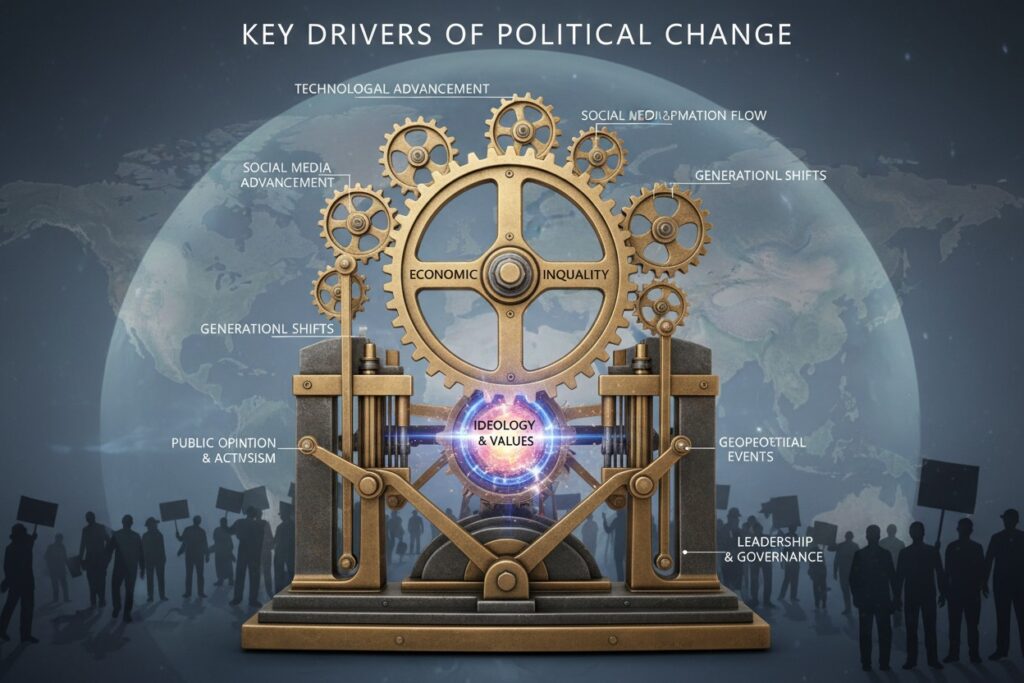
Key Drivers of Change
1. Mobile-First Connectivity
Africa’s path to digital is distinctly mobile-first. With smartphone penetration increasing rapidly—particularly in urban and emerging urban areas—mobile platforms have become the central nervous system of digital campaigns. This reality fundamentally changes campaign strategy. Responsive, mobile-optimized content is not optional; it’s essential. Candidates and campaign teams must think mobile-first, understanding that most voters interact with political content on small screens, often with limited bandwidth.
2. Social Media Dominance
Facebook, Instagram, TikTok, Twitter, and increasingly, local platforms are where African voters spend their time. These platforms offer unprecedented targeting capabilities, real-time engagement metrics, and the ability to reach specific demographic groups with tailored messages. However, they also present challenges: misinformation spreads rapidly, algorithm manipulation affects reach, and platform policies on political content continue to evolve.
3. Affordable Digital Tools
The democratization of digital marketing tools has been transformative. Relatively inexpensive platforms for creating campaigns, managing social media, analyzing voter data, and automating communications have become accessible even to grassroots campaigns. This has leveled the playing field, allowing candidates with smaller budgets to compete more effectively against well-resourced incumbents.
4. Youth Population and Digital Natives
Africa has the world’s youngest population. Over 60% of Africans are under 25 years old, and this demographic is overwhelmingly digital-native. They don’t watch television for political news; they scroll through social feeds. They don’t attend rallies; they engage in online communities. Understanding and mobilizing this generation requires strategies fundamentally different from those that worked a decade ago.
Opportunities on the Horizon

1. Enhanced Voter Engagement
Digital platforms enable unprecedented voter engagement. Interactive town halls, live Q&A sessions, policy explainers, and direct candidate communication create opportunities for genuine dialogue. Campaigns can now respond to voter concerns in real-time, explain complex policies in digestible formats, and build communities of support that transcend geographic boundaries.
2. Data-Driven Campaign Strategy
With proper ethical frameworks in place, data analytics can revolutionize how campaigns understand voters. Digital platforms generate vast amounts of data about voter interests, concerns, and preferences. Campaigns that effectively analyze this data can deliver more relevant messages to more specific audiences, improving both efficiency and effectiveness. This shift from broad messaging to targeted communication represents a fundamental evolution in campaign sophistication.
3. Grassroots Organization and Mobilization
Digital tools empower supporters to become campaign organizers. Through coordinated social media campaigns, volunteer networks, and community platforms, supporters can amplify messages, organize local events, and mobilize voters without waiting for direction from central campaign headquarters. This distributed model of organizing is particularly powerful in African contexts where geographical distances and infrastructure challenges have historically limited grassroots mobilization.
4. Inclusive Participation
Digital campaigns can include voices that traditional politics often excludes. Women’s groups, youth organizations, diaspora communities, and civil society can engage directly with campaigns and candidates through digital platforms. This inclusivity strengthens democratic participation and ensures that campaigns must address diverse perspectives.
5. Cost Efficiency
While building a sophisticated digital infrastructure requires investment, digital campaigning can be significantly more cost-effective than traditional methods. Radio and television advertising, billboard campaigns, and large-scale rallies require substantial resources. Digital campaigns, particularly those built on organic social media and grassroots organizing, can achieve substantial reach at a fraction of traditional costs.
Critical Challenges and Considerations
1. Digital Divide and Access Inequality
Despite rapid growth, significant digital divides persist across and within African countries. Rural areas, poorer communities, and certain demographics remain underconnected. Campaigns that rely exclusively on digital strategies risk marginalizing voters who lack internet access or smartphone ownership. Successful campaigns must integrate digital and traditional methods, ensuring no segment of the electorate is excluded.
2. Misinformation and Disinformation
The same tools that enable genuine engagement also facilitate the spread of false information. Electoral campaigns are particularly vulnerable to coordinated disinformation campaigns that exploit regional tensions, spread voter suppression narratives, or disseminate false claims about candidates. Building resilience against misinformation—through fact-checking, media literacy, and platform accountability—is essential.
3. Privacy and Data Security
As campaigns collect and analyze voter data, protecting privacy and ensuring data security becomes paramount. African countries vary significantly in their data protection frameworks, and many campaigns lack sophisticated cybersecurity measures. Voters rightfully expect their data to be protected, and campaigns must invest in security infrastructure and adhere to ethical data practices.
4. Platform Dependency
Heavy reliance on third-party platforms creates vulnerability. Policy changes, algorithm adjustments, or content moderation decisions made by foreign tech companies can dramatically impact campaign reach. Building alternative platforms and reducing dependency on any single ecosystem is crucial for campaign resilience.
5. Regulatory Uncertainty
Many African governments are still developing frameworks for regulating digital political speech. Campaigns operate in environments where regulations are unclear, enforcement is inconsistent, and the legal landscape is rapidly evolving. Staying informed and ensuring compliance with emerging regulations is essential.
Best Practices for African Political Campaigns
Successful digital campaigns in Africa embrace several key principles. First, they prioritize authenticity and genuine engagement over slick production values. African voters are sophisticated consumers of digital content and can detect insincerity. Second, they integrate offline and online strategies, recognizing that the most effective campaigns exist across multiple channels. Third, they invest in understanding their specific audience—demographics, concerns, media consumption patterns, and preferred platforms—rather than applying generic strategies.
Additionally, winning campaigns build data capabilities responsibly, implement robust cybersecurity, maintain diverse content strategies, and engage trusted community voices as digital ambassadors.
The Path Forward
The future of digital campaigning in Africa is not predetermined. It will be shaped by the choices candidates, campaign professionals, platform companies, and policymakers make today. Campaigns that successfully navigate this transition will combine the best of digital innovation with the strong community relationships and grassroots organizing traditions that have long been central to African politics.
The candidates and campaigns that thrive in this new era will be those who understand that digital tools are not replacements for genuine leadership, policy substance, or community connection. Rather, they are amplifiers—tools that help candidates reach more voters, understand their concerns better, organize supporters more effectively, and communicate their vision with clarity and authenticity.
Africa’s digital future is being written now, and the most successful campaigns will be those that write it thoughtfully, ethically, and with deep understanding of the African contexts they serve.
As political campaigns across Africa navigate this digital transformation, professional guidance in strategy development, digital infrastructure, and voter engagement can make the difference between campaigns that merely participate in this new landscape and those that lead it. Reach out to us to design your winning strategy.
Well said. Digital tools are only as effective as the leadership and values behind them. Africa’s future deserves both innovation and authenticity.