
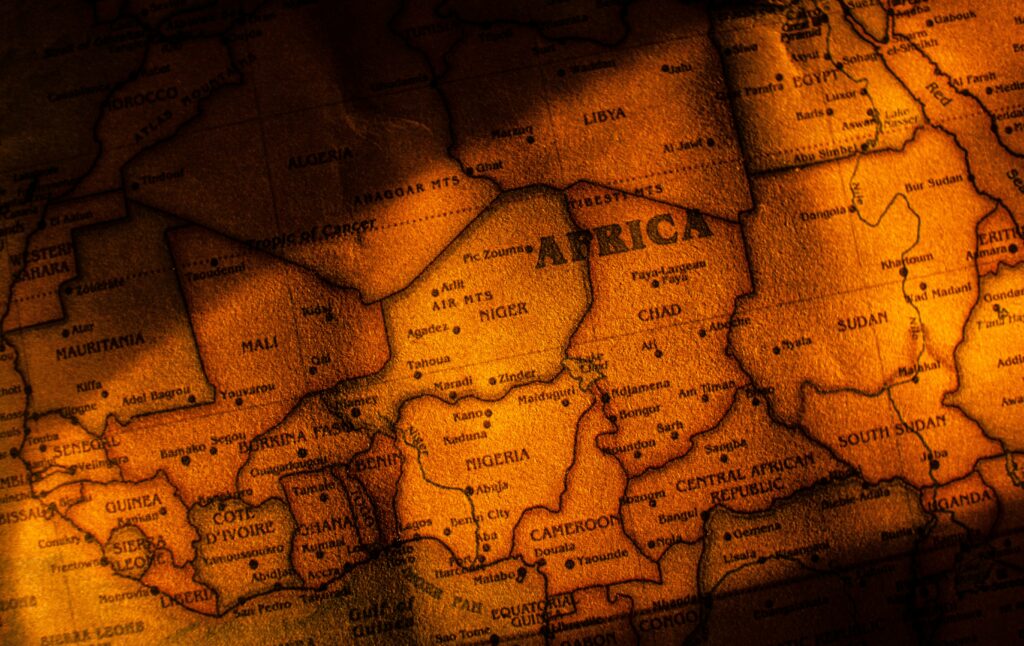
Across Africa, technology is no longer a background force quietly supporting political life; it has become one of the central forces shaping it. From the smartphone in a rural voter’s pocket to the servers powering a national biometric identity database, digital tools are changing how citizens engage with power, how governments deliver services, how elections are conducted, and how political narratives are built, contested, and sometimes manipulated. The continent, home to the world’s youngest and fastest-growing population, is experiencing a digital transformation that is deeply intertwined with its political evolution.
This article examines how technology, particularly mobile connectivity, social media, biometric systems, and digital governance platforms, is reshaping African political landscapes. It explores the opportunities this transformation presents for democratic participation and accountability, as well as the serious challenges it introduces, including disinformation, internet shutdowns, and the widening digital divide.
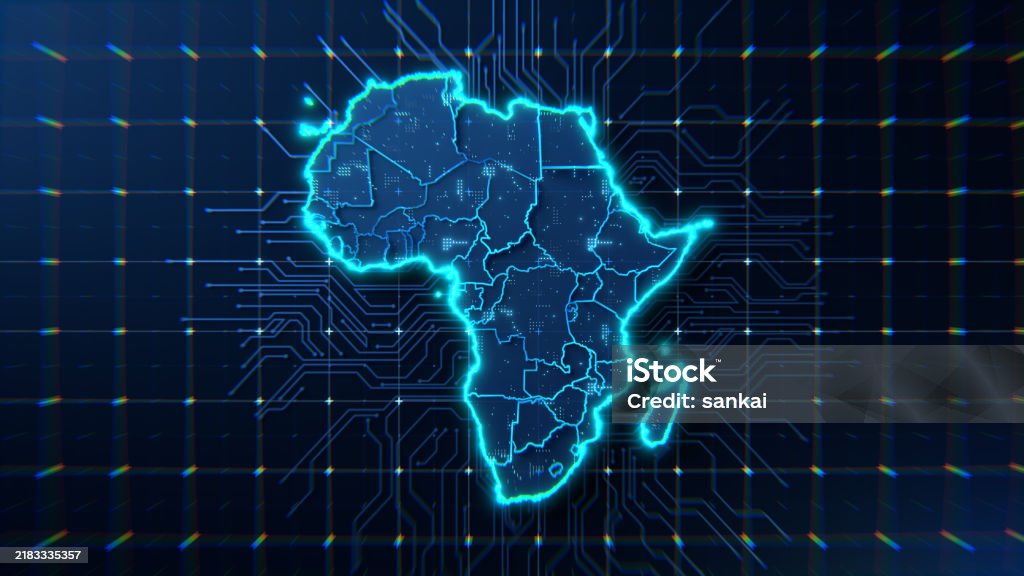
Digital networks are increasingly connecting citizens, governments, and institutions across the continent.
The Rise of Mobile and Internet Connectivity
Mobile phone penetration has grown dramatically across Africa over the past two decades, transforming the continent from one of the least connected regions in the world into one where hundreds of millions of people now carry a device capable of accessing information, financial services, and political content instantly. Unlike many regions that transitioned gradually from fixed-line infrastructure to mobile networks, much of Africa leapfrogged directly into mobile-first connectivity.
This shift matters politically because it has dramatically lowered the barrier to political participation and information access. Citizens no longer need to wait for state broadcasters or printed newspapers to learn what their governments are doing. Instead, information, whether accurate or false, travels instantly through messaging apps, social media platforms, and community WhatsApp or Telegram groups. Political mobilization that once required physical gatherings, posters, and word of mouth can now happen within hours through a viral post or hashtag.
Social Media as a Political Battleground
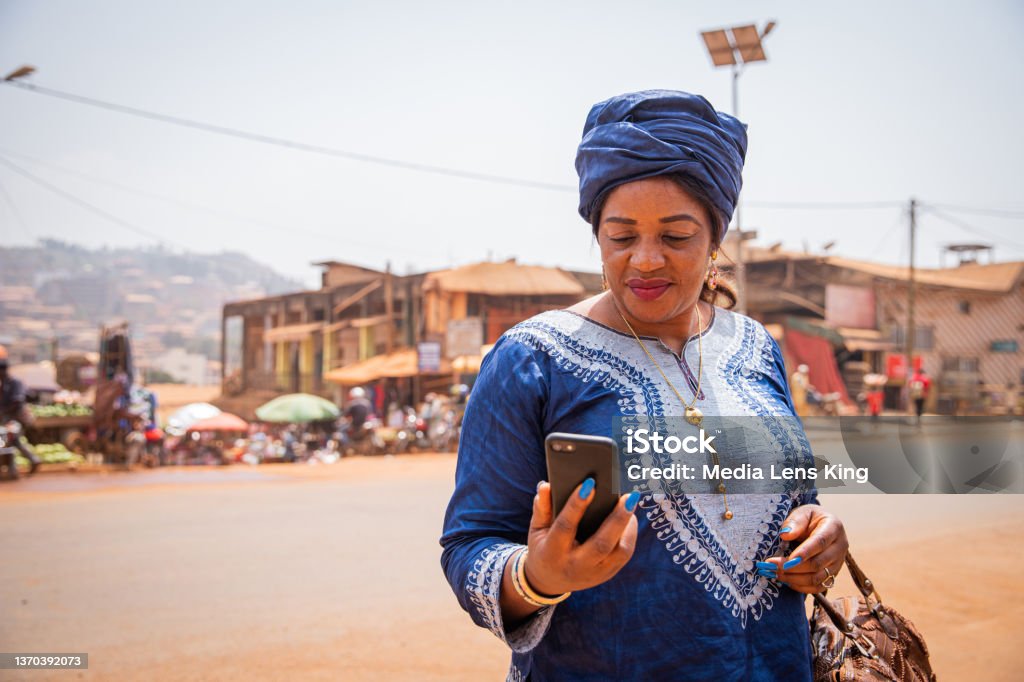
Platforms such as Facebook, Twitter (X), WhatsApp, TikTok, and Instagram have become central arenas of political life in many African countries. Politicians use these platforms to campaign directly to citizens, bypassing traditional media gatekeepers. Civil society organizations use them to organize protests, expose corruption, and hold leaders accountable. Ordinary citizens use them to voice grievances, share opinions, and mobilize around shared causes.
Several notable youth-led movements across the continent in recent years, including protests against controversial taxation policies, electoral irregularities, and police brutality, have relied heavily on social media for coordination and international visibility. Hashtags have become rallying points capable of drawing global attention to domestic political struggles within hours, something that would have taken weeks or months to achieve through traditional advocacy channels.
However, this same openness has made social media a double-edged sword. The same platforms that empower grassroots activism are also exploited to spread disinformation, incite ethnic or religious tension, and manipulate public opinion during sensitive political periods such as elections. Some political actors and external interests have been documented using coordinated networks of fake accounts to shape narratives, undermine opposition figures, or sow confusion among voters.
Elections in the Digital Age
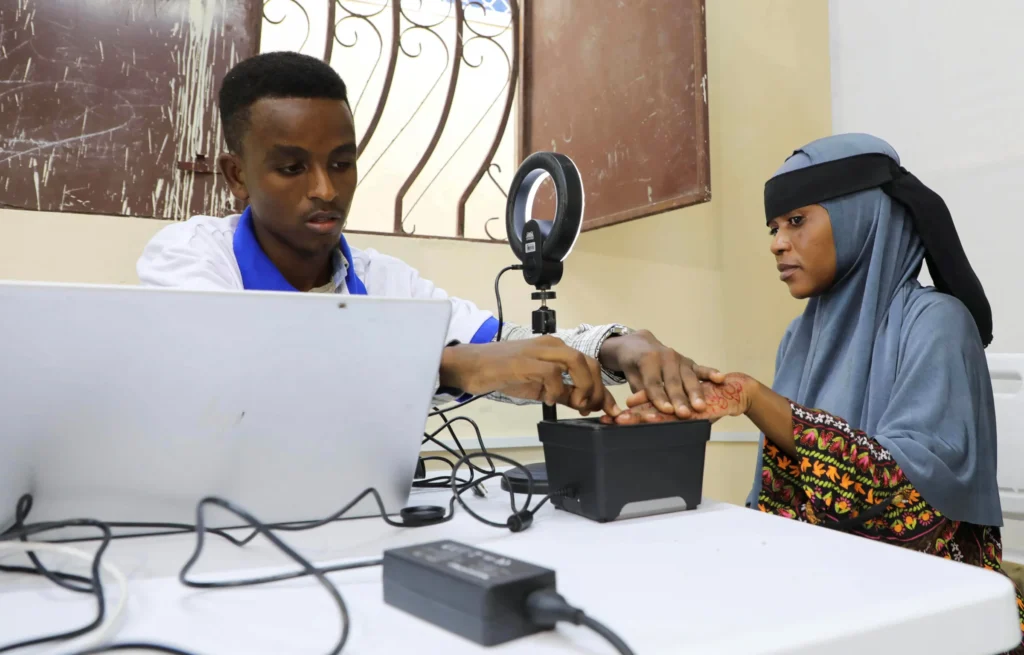
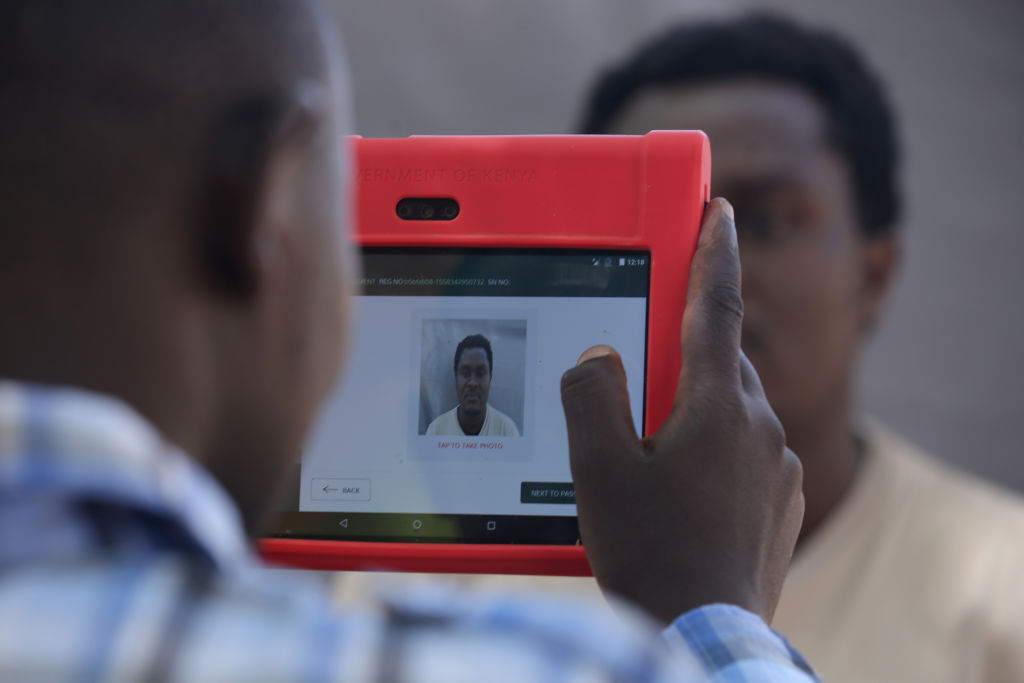
Perhaps nowhere is the political impact of technology more visible than in the electoral process itself. Many African countries have adopted biometric voter registration and verification systems intended to reduce fraud, eliminate duplicate registrations, and improve the credibility of electoral rolls. Fingerprint and facial recognition technologies are increasingly used at polling stations to confirm voter identity before ballots are cast.
Biometric verification and digital tools are increasingly embedded in African electoral processes.
Electoral commissions in several countries have also begun using technology to transmit results electronically from polling stations to central tallying centers, aiming to reduce the delays and opportunities for manipulation that have historically plagued manual result collation. When implemented transparently, these systems can significantly strengthen public trust in electoral outcomes.
At the same time, the introduction of electoral technology has not been without controversy. Technical failures, such as malfunctioning biometric kits or delays in result transmission, have in some cases fueled accusations of manipulation rather than resolving them. Where technology is introduced without adequate public education, transparency, or independent verification, it can inadvertently deepen distrust rather than build it. The credibility of electoral technology, in other words, depends heavily on the institutional integrity surrounding its use.
Digital Governance and Citizen Engagement
Beyond elections, governments across the continent are increasingly turning to digital platforms to deliver public services and engage citizens more directly. E-governance initiatives, ranging from online tax filing and digital identity systems to mobile applications for reporting corruption or accessing public records, are gradually reducing the friction and opacity that have historically characterized interactions between citizens and the state.
- Digital identity systems are streamlining access to banking, healthcare, and social services.
- Mobile money platforms have expanded financial inclusion, indirectly strengthening tax bases and formal economic participation.
- E-participation platforms allow citizens to comment on proposed legislation or budget allocations in some jurisdictions.
- Open data initiatives are making government spending and performance data more accessible to journalists and watchdog organizations.
These developments have the potential to reduce corruption by limiting the discretionary, face-to-face interactions that have historically created opportunities for bribery and favoritism. They also create new avenues for accountability, as digitized records are harder to alter retroactively than paper-based systems and can be more easily audited by independent bodies.
Internet Shutdowns and Digital Repression
Not all political uses of technology in Africa have been positive for democratic development. Governments in a number of countries have responded to protests, elections, or periods of political tension by deliberately restricting or shutting down internet access, often citing national security or public order concerns. These shutdowns, which can range from blocking specific social media platforms to cutting off internet access entirely, disrupt not only political organizing but also economic activity, education, and emergency communication.
Digital repression extends beyond outright shutdowns. Some governments have introduced legislation requiring social media users to register with authorities, imposed taxes on internet or social media usage, or deployed surveillance technologies to monitor political dissidents, journalists, and civil society actors. Critics argue that such measures, while sometimes framed as necessary for security or revenue generation, can also serve to suppress legitimate political expression and dissent.
Internet shutdowns, disinformation, and cybersecurity threats remain significant challenges.
Disinformation and the Erosion of Trust

The speed and scale at which information now travels across African digital spaces has created fertile ground for disinformation campaigns. During election periods in particular, fabricated news stories, manipulated images, and deep-fake videos have been used to discredit candidates, incite unrest, or manufacture false narratives about electoral processes. Because many users encounter political content primarily through social media rather than verified news sources, false information can spread rapidly before fact-checking organizations are able to respond.
This erosion of trust is compounded by low levels of digital literacy in some communities, where users may be less equipped to critically evaluate the authenticity of the content they encounter online. Media literacy initiatives, independent fact-checking organizations, and platform-level content moderation efforts have expanded in response, but they continue to struggle to keep pace with the volume and sophistication of disinformation campaigns, some of which are coordinated by well-resourced domestic or foreign actors.
The Digital Divide and Unequal Political Participation

While technology has expanded political participation for many, it has also introduced new forms of exclusion. Rural populations, older citizens, and lower-income groups often have limited access to smartphones, reliable internet connectivity, or affordable data, which can leave them underrepresented in digitally mediated political conversations. This creates a risk that policy debates conducted primarily online may increasingly reflect the priorities and perspectives of urban, younger, and more affluent populations, rather than the electorate as a whole.
Gender gaps in technology access and literacy also remain significant in several African contexts, with women in some regions less likely than men to own a mobile phone or have independent internet access. Addressing these disparities is essential if digital political participation is to genuinely reflect the diversity of African societies rather than amplify existing inequalities.
Looking Ahead: Balancing Innovation and Accountability

The trajectory of technology’s influence on African political landscapes will likely be shaped by how governments, civil society, and technology companies navigate the tension between innovation and accountability. Artificial intelligence, expanding broadband infrastructure, and the continued growth of mobile connectivity are set to deepen technology’s role in political life even further in the coming years.
For this transformation to strengthen rather than undermine democratic governance, several factors will be critical: transparent and well-audited electoral technology, robust legal protections for digital rights and freedom of expression, investment in digital literacy, and regulatory frameworks that hold both governments and platforms accountable for how digital tools are used in the political sphere. Regional bodies such as the African Union have already begun developing frameworks around digital governance and data protection, signaling growing recognition of these stakes at a continental level.
Conclusion
Technology has fundamentally altered the relationship between African citizens and political power. It has opened new channels for participation, transparency, and accountability, while simultaneously introducing new vulnerabilities around disinformation, surveillance, and exclusion. The continent’s political future will be shaped not simply by the presence of technology, but by the choices governments, institutions, and citizens make about how it is governed, who it serves, and whose voices it amplifies. As Africa’s digital transformation continues to accelerate, ensuring that these tools strengthen rather than erode democratic life will remain one of the defining political challenges of the coming decade. Want to learn more or get in touch? Reach out to us here: Contact Us