

“Digital transformation in African politics is reshaping the continent’s governance and democratic institutions. Biometric voter registration, e-governance platforms, and social media activism are changing how leaders exercise, contest, and account for power”
Digital transformation is fundamentally reshaping the political landscape across Africa. From biometric voter registration to e-governance platforms and social media activism, digital tools are altering how power is exercised, contested, and held accountable. This shift goes beyond technology — it is reshaping the relationship between citizens and the state, creating new opportunities for participation and transparency while introducing fresh risks around disinformation, surveillance, and exclusion.
This article explores how digital transformation is reshaping African governance and democracy, examining its effects on elections, public service delivery, civic engagement, and the emerging challenges that come with rapid digital change.
Digital Transformation and the Changing Face of African Governance

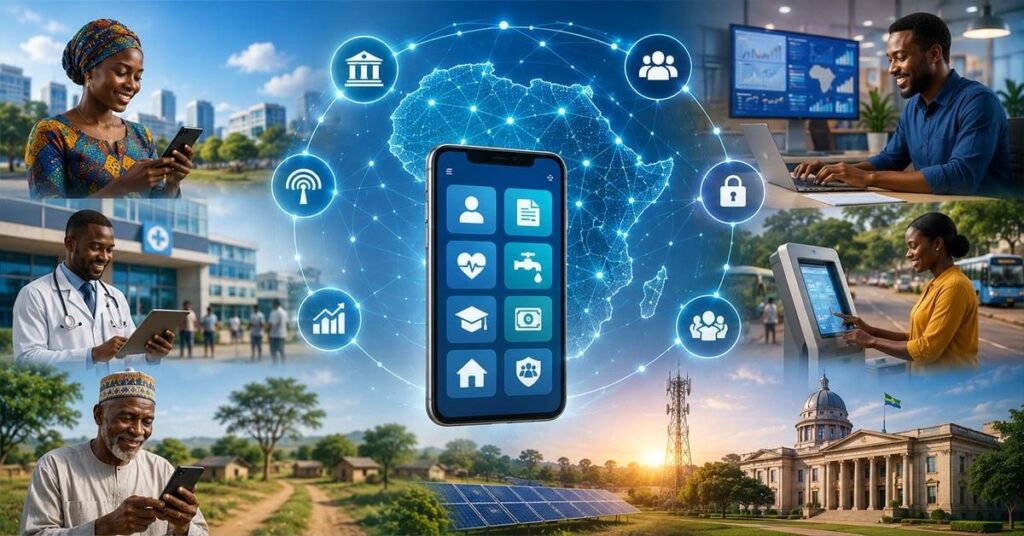
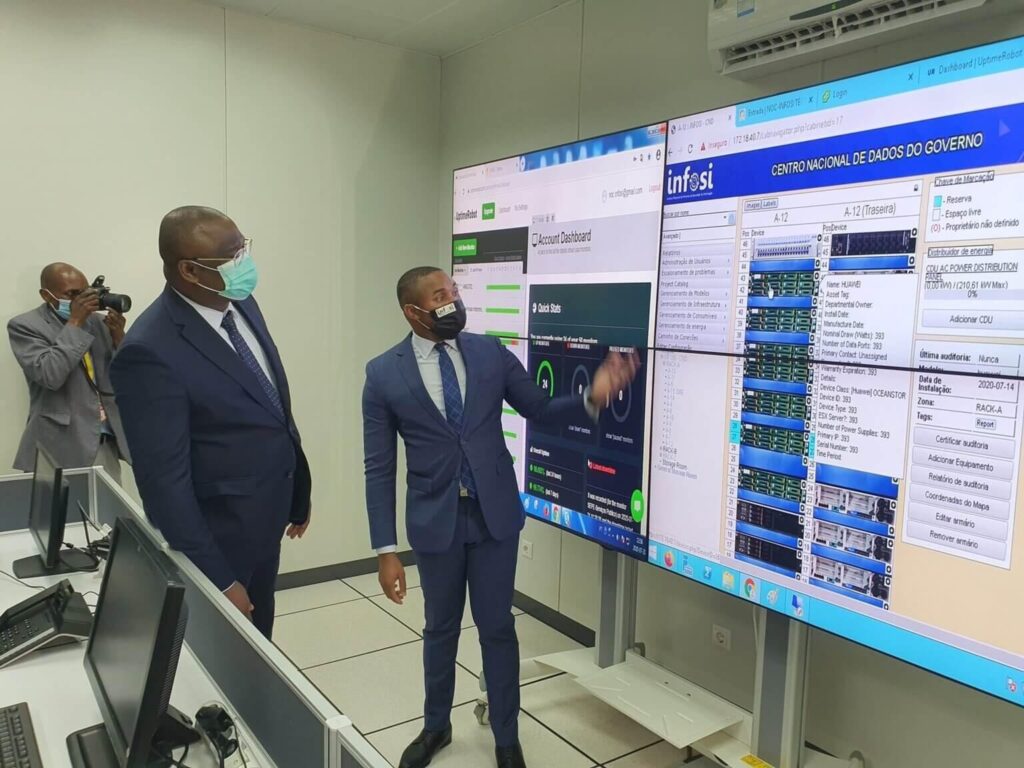
Governments across the continent are adopting digital platforms to modernize how they operate. E-governance initiatives range from online tax filing to digital identity systems. These tools reduce bureaucratic friction and create more direct channels between citizens and public institutions. They speed up service delivery, improve record-keeping, and, in many cases, reduce corruption, since digital processes are harder to manipulate quietly than paper-based systems built on face-to-face interactions.
Open data initiatives have also expanded. Journalists, researchers, and civil society organizations now have greater access to government spending and performance data. This transparency strengthens the ability of citizens and watchdog groups to hold public officials accountable, a core element of democratic governance. Digital identity systems increasingly open the door to banking, healthcare, and social services, cutting through paperwork and physical bottlenecks that once slowed access.
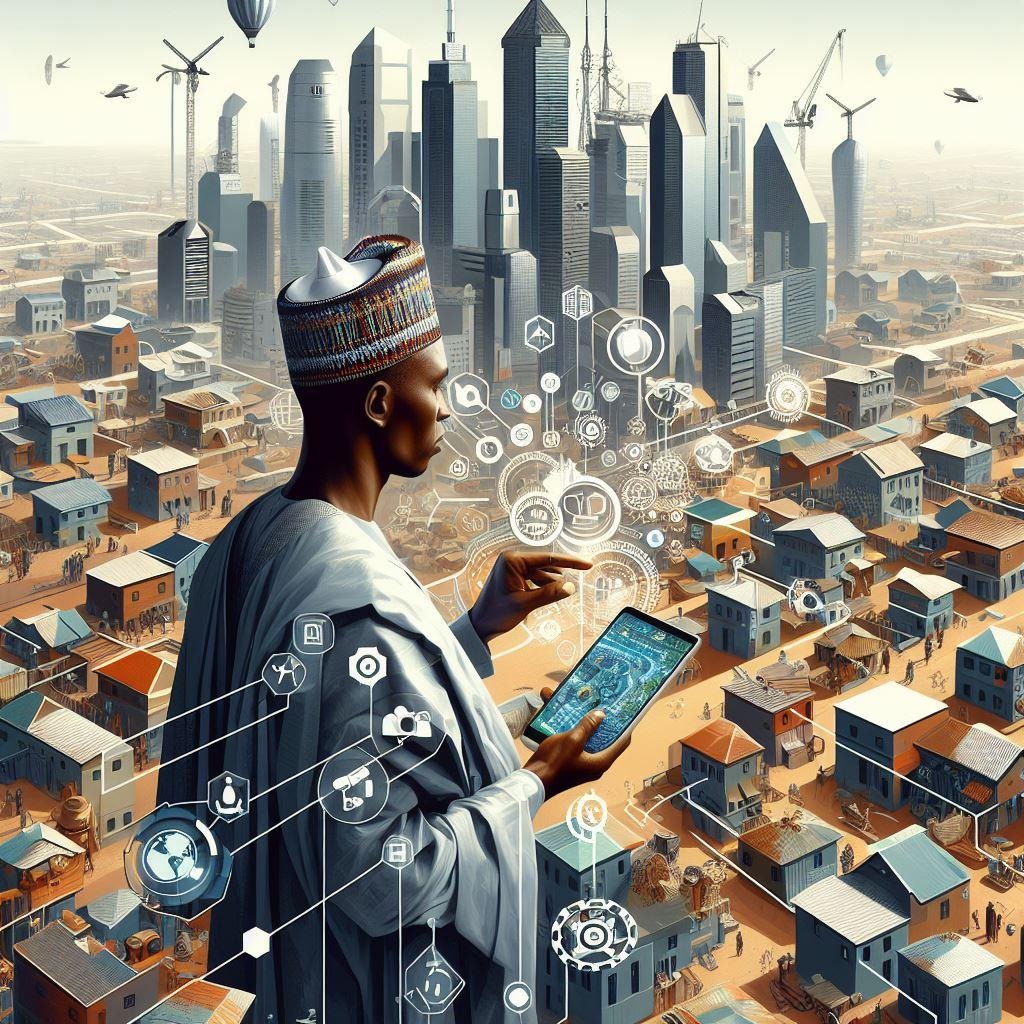
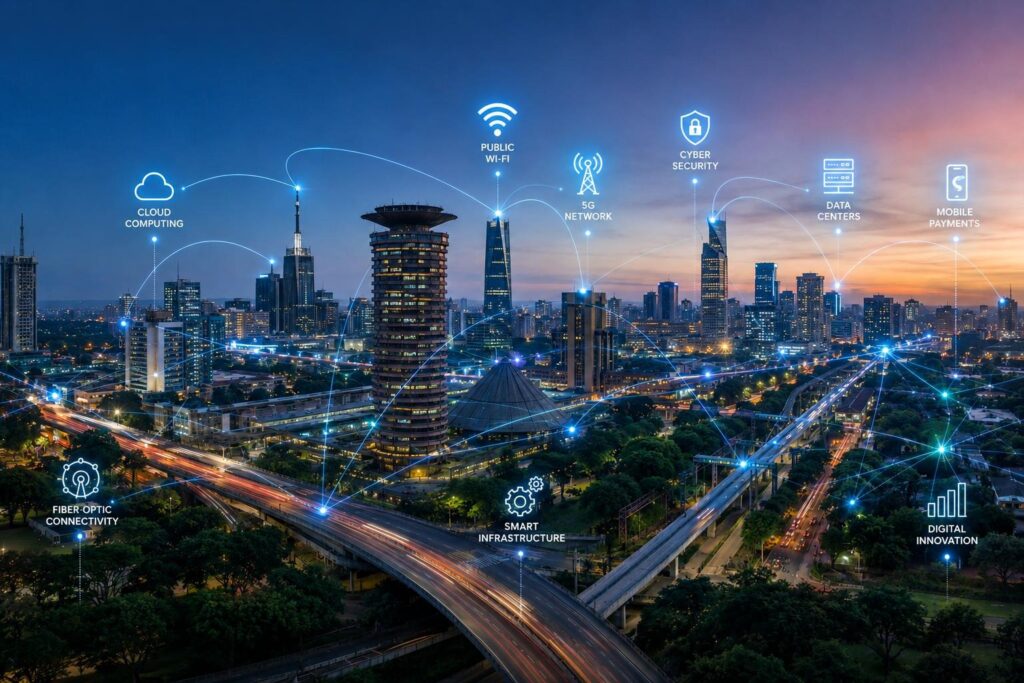
Still, the pace of digital adoption varies widely between and within countries. Capital cities and urban centers typically gain new digital infrastructure first, while rural and peripheral regions often wait years for comparable access. This uneven rollout shapes how evenly society actually shares the benefits of digital governance.
Elections in the Digital Era
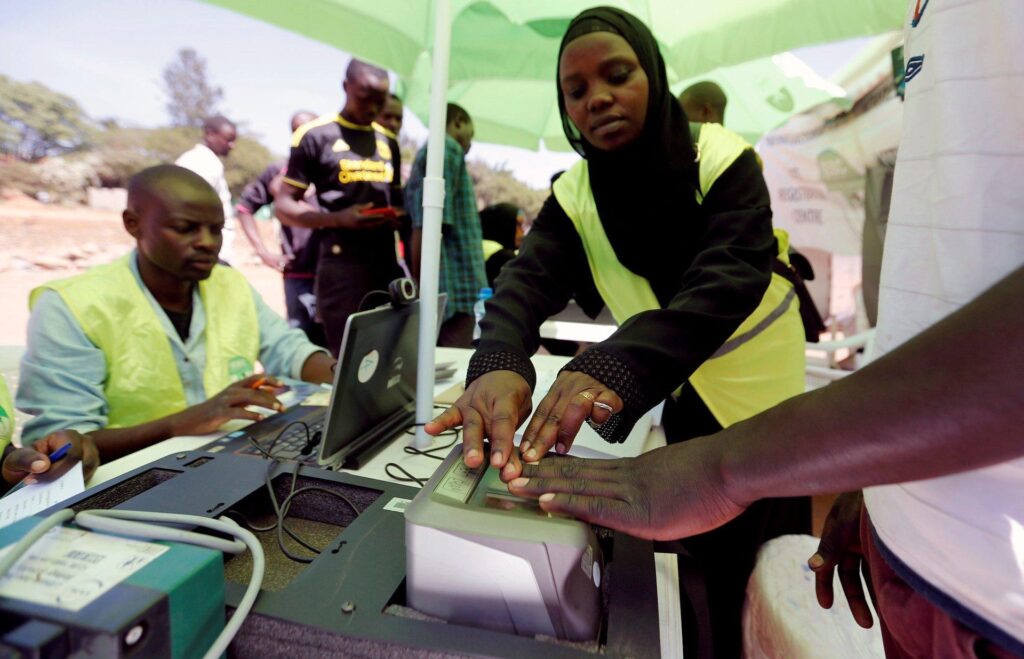
Nowhere is digital transformation more visible than in the electoral process. Many African countries have introduced biometric voter registration and verification systems to reduce fraud and improve the credibility of voter rolls. Electronic result transmission has also been adopted in several countries, aiming to minimize the delays and manipulation risks associated with manual collation.
Some political actors have used coordinated networks of fake accounts to discredit opposition figures However, technical failures, such as malfunctioning biometric kits or delays in transmitting results, have in some instances fueled suspicion rather than confidence. The credibility of electoral technology ultimately depends on the institutional integrity, transparency, and public education surrounding its use, not simply the presence of the technology itself. Independent observers and civil society verification of digital electoral systems have, in several cases, played an important role in bridging the gap between technological promise and public confidence.
Social Media and Civic Participation
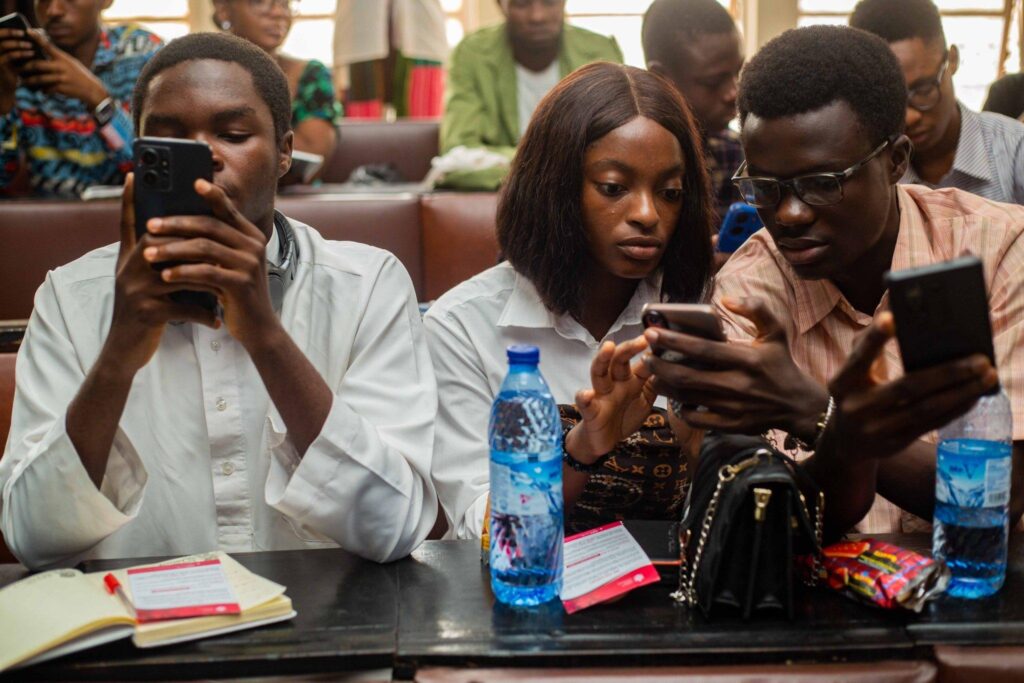
Social media platforms have become central arenas for political expression and mobilization across Africa. Politicians increasingly use these platforms to engage citizens directly, bypassing traditional media gatekeepers, while civil society organizations and ordinary citizens use them to organize protests, expose corruption, and demand accountability. Several prominent youth-led movements in recent years have relied heavily on social media to coordinate action and draw international attention to domestic political grievances.
This same openness, however, has made social media a double-edged instrument. The platforms that enable grassroots activism are equally exploited to spread disinformation and manipulate public opinion, particularly during sensitive periods such as elections. Some political actors have used coordinated networks of fake accounts to discredit opposition figures or sow confusion among voters.
Expanding Access Through Mobile Technology
Mobile phone penetration has grown dramatically across the continent, allowing much of Africa to leapfrog directly into mobile-first connectivity rather than transitioning gradually through fixed-line infrastructure. This has significantly lowered the barrier to political participation and access to information, allowing citizens to follow government activity and engage in political discourse without depending on state broadcasters or printed media.
Mobile money platforms have further expanded financial inclusion, indirectly strengthening tax bases and formal economic participation, both of which have downstream implications for government revenue and, by extension, public service capacity.
The Persistent Challenge of the Digital Divide
Despite these advances, digital transformation has not benefited all citizens equally. Rural populations, older citizens, and lower-income groups often face limited access to smartphones, reliable connectivity, or affordable data, leaving them underrepresented in digitally mediated political life. This risks skewing political discourse toward the priorities of urban, younger, and more affluent populations rather than reflecting the electorate as a whole.
Gender disparities in technology access also remain significant in several African contexts, with women in some regions less likely than men to own a mobile phone or have independent internet access. Closing these gaps is essential if digital political participation is to genuinely reflect the diversity of African societies.
Digital Repression and Internet Shutdowns
Not all political applications of digital technology have strengthened democratic governance. Governments in several countries have responded to protests, elections, or periods of political tension by restricting or shutting down internet access entirely, often citing national security concerns. Such shutdowns disrupt not only political organizing but also economic activity, education, and emergency communication.
Beyond outright shutdowns, some governments have introduced surveillance technologies to monitor journalists and political dissidents, or imposed taxes and registration requirements on social media use. Critics argue these measures, while sometimes framed as necessary for security, can also serve to suppress legitimate political expression.
Digital Transformation and Africa’s Political Future
For digital transformation to strengthen rather than undermine African democracy, several factors will be critical: transparent and well-audited electoral technology, legal protections for digital rights and freedom of expression, sustained investment in digital literacy, and regulatory frameworks that hold both governments and technology platforms accountable. Regional bodies such as the African Union have already begun developing frameworks around digital governance and data protection, signaling growing recognition of these stakes at a continental level.
As artificial intelligence, expanding broadband access, and continued mobile growth deepen technology’s role in African political life, the central question will not be whether digital transformation continues, but who it serves and whose voices it amplifies.
Conclusion
Digital transformation is reshaping African governance and democracy in profound and often contradictory ways, expanding participation and transparency while simultaneously introducing new risks around disinformation, exclusion, and surveillance. The continent’s democratic trajectory will depend less on the pace of technological adoption itself and more on the choices governments, institutions, and citizens make about how these tools are governed and deployed. Ensuring that digital transformation strengthens rather than erodes democratic life will remain one of the defining governance challenges of the coming decade.
Want to learn more?
This article is brought to you by LEADGovtOS, an advocacy initiative campaigning for stronger governance reform across Africa. To explore more of our work and resources on governance and leadership, visit leadgovtos.org.