
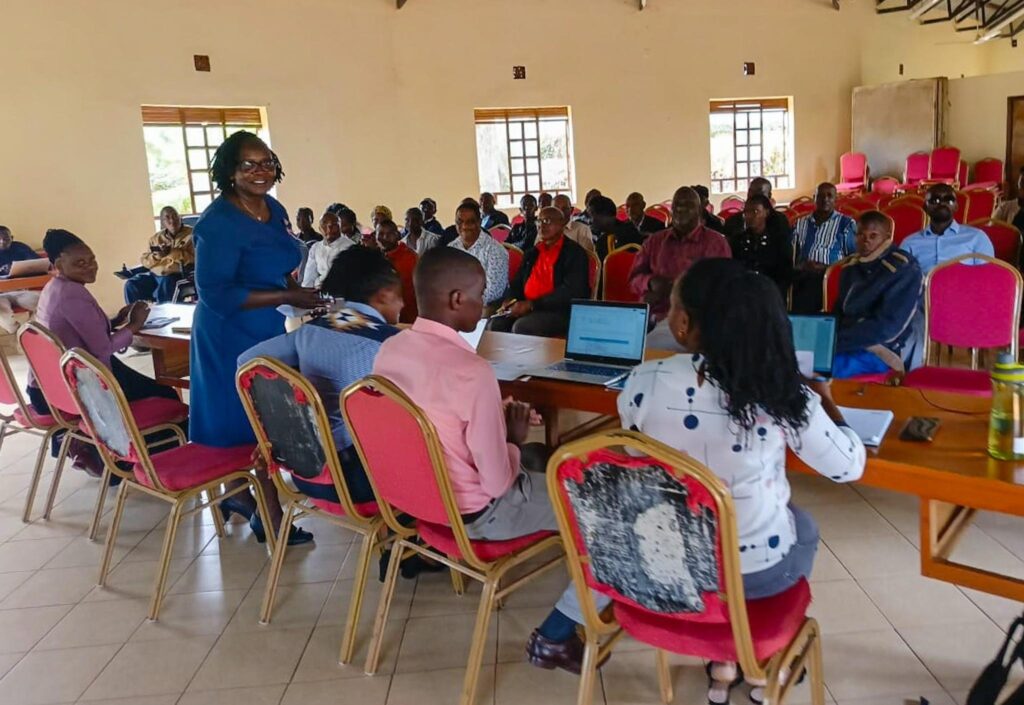
“At LeadGovtOS, we treat campaigns as systems, not events. This article examines what it takes to build campaign structures that scale, and why that discipline matters just as much for governing afterward as it does for winning.”
Most political campaigns start small. A candidate, a handful of loyal supporters, a borrowed office, and a shared conviction that things can change. But the campaigns that go the distance share one trait that has little to do with charisma or message. They build structures that scale.
At LeadGovtOS, we treat campaigns as systems, not events. A campaign structure that works well at the local government level often collapses under the weight of a state or national race. The strategy isn’t the problem — the architecture was never built to grow. This article examines what it takes to build campaign structures that scale, and why that discipline matters just as much for governing afterward as it does for winning.
Why Most Campaign Structures Don’t Scale
Many campaigns are built around a single strong personality at the center, with everything routed through one office, one decision-maker, or one inner circle. This works when the operation is small. It breaks down fast as the campaign grows, because every new region, every new coalition, and every new crisis now competes for the same limited bandwidth at the top.
The result is predictable: bottlenecked decisions, inconsistent messaging across regions, exhausted leadership, and a campaign that reacts to events instead of shaping them. Structures built around people rather than systems rarely survive contact with scale. This is one of our core values at LeadGovtOS — institutional thinking. Strong institutions outlast strong personalities, and the same principle applies to campaigns long before it applies to governments.
Designing Campaign Structures That Scale From Day One
A scalable campaign structure is designed for the size the campaign intends to become, not just the size it currently is. This means building regional and local command layers early, even when the campaign is still small enough that one person could technically handle everything. It means creating clear reporting lines, defined decision rights, and communication protocols before they’re urgently needed.
Campaigns that scale well typically organize around a few consistent layers: a strategic core that sets direction and message discipline, regional command structures that adapt strategy to local context, and field operations that execute on the ground. Each layer has clear authority and clear limits, which allows the campaign to grow horizontally, adding regions and coalitions, without collapsing the center.
Intelligence as the Backbone of Scale
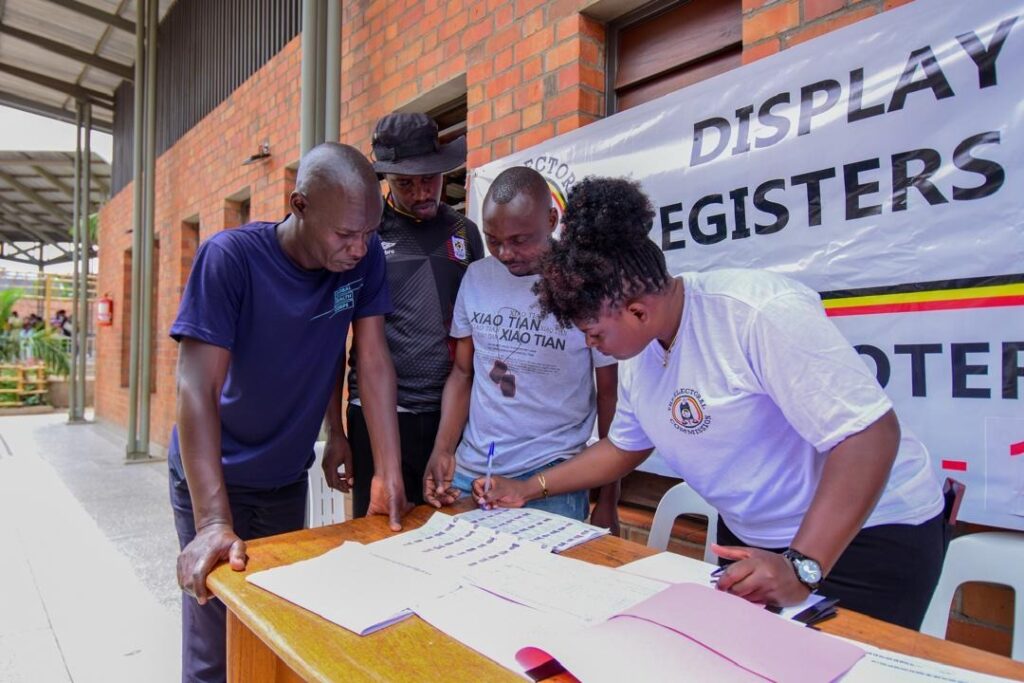
Structure alone isn’t enough. A campaign that scales needs a steady flow of accurate, timely intelligence feeding every layer of the organization. This includes polling data, ground-level sentiment, coalition mapping, and competitor activity. Without this, growth simply multiplies the campaign’s blind spots across more regions.
We believe informed decisions outperform assumptions. Campaigns that invest early in political intelligence, rather than relying on instinct or anecdote as they expand, make faster and more accurate decisions at every layer of the structure. This intelligence function should sit close to the strategic core, but it should also feed regional teams directly, so local decisions are grounded in real data rather than guesswork.
Movement Building Without Losing Coordination
Scale often comes from movement energy: volunteers, grassroots coalitions, community organizers, and everyday citizens who carry the campaign’s message further than paid staff ever could. The challenge is coordinating that energy without smothering it in bureaucracy or losing it entirely to fragmentation.
- Give movement leaders real authority within a defined scope, rather than treating them as messaging amplifiers with no decision-making power.
- Build simple, consistent reporting channels so field activity feeds back into strategic decisions instead of disappearing at the local level.
- Standardize training and messaging materials so volunteers across regions represent the campaign consistently, without needing constant central approval.
- Protect grassroots authenticity — over-scripting local organizers often costs more credibility than it gains in message discipline.
Election Operations at Scale
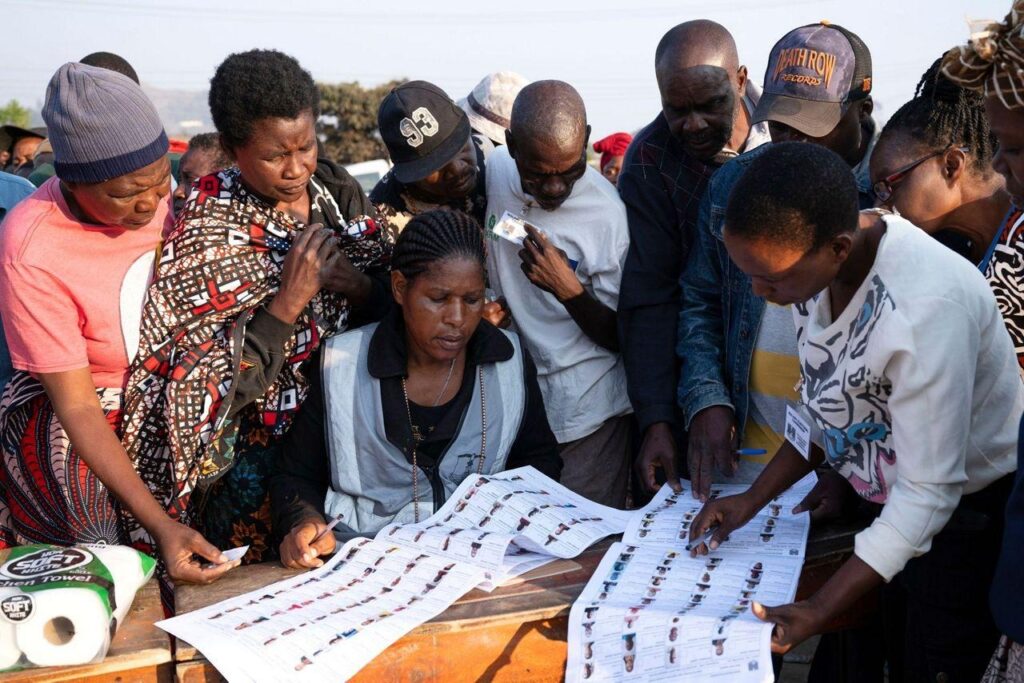
As a campaign grows, election-day operations become exponentially more complex: logistics, legal compliance, polling agent coordination, and rapid-response capacity all multiply across every additional region. Campaigns that scale well treat election operations as a discipline in its own right, with dedicated leadership and standardized procedures that regional teams can execute consistently.
This is where structure either proves itself or fails publicly. A campaign with strong regional command layers and clear operational playbooks can execute consistently across hundreds of polling locations. A campaign still routing every decision through a single office cannot, no matter how strong its strategy looked on paper.
Building the Bridge From Campaign Structures to Governance
The most important test of a campaign structure isn’t election night. It’s the months that follow. Campaign structures built purely to win, with no thought given to what comes after, tend to dissolve the moment victory is declared, taking institutional memory, coalition relationships, and hard-won intelligence with them.
At LeadGovtOS, we treat the transition from campaign to governance as a structural continuation, not a separate project. Regional command structures can evolve into constituency management functions. Political intelligence systems can evolve into performance monitoring systems. Coalition relationships built during the campaign become the stakeholder relationships that help govern effectively afterward. A campaign structure built to scale during the race is far easier to convert into a governance structure than one built to simply survive the race.
Discipline and Accountability as Structural Glue
Scale introduces complexity, and complexity without discipline produces chaos. The campaigns that hold together as they grow are the ones that build accountability into the structure itself: clear performance expectations at every layer, transparent reporting, and consistent consequences for underperformance or off-message conduct.
This reflects two of our core values — accountability and discipline. Performance must be measurable and transparent at every level of a scaling campaign, and sustained execution, not sporadic bursts of energy, is what actually creates sustainable impact across an expanding structure.
Practical Steps for Building a Scalable Campaign Structure
- Design regional and local command layers early, even before the campaign needs them at full scale.
- Invest in political intelligence infrastructure that feeds every layer of the organization, not just the strategic core.
- Give movement and grassroots leaders defined authority, paired with simple, consistent reporting channels.
- Standardize election operations playbooks so regional teams can execute consistently under pressure.
- Plan the campaign-to-governance transition from the outset, so structures built to win can convert into structures built to govern.
- Build accountability and performance tracking into every layer, not just at the top.
Conclusion
Campaign structures that scale are not built overnight, and they are rarely built by accident. They are the product of deliberate design: strategic clarity at the core, empowered regional and grassroots layers, a steady flow of intelligence, and disciplined accountability running through every level of the organization. Most importantly, they are built with governance in mind from day one, because winning an election is only the beginning.
At LeadGovtOS, we help candidates, parties, and governments build exactly this kind of system, one designed not just to win, but to govern effectively and create lasting institutional legacy long after election night is over.
Want to learn more?
This article is brought to you by LEADGovtOS, an advocacy initiative campaigning for stronger governance reform across Africa. To explore more of our work and resources on governance and leadership, visit leadgovtos.org.