

Understanding swing voters has become one of the most important strategic priorities in modern political campaigns. While loyal supporters form the foundation of every political movement, elections are often decided by voters who remain undecided until the final stages of a campaign. Their choices determine who wins closely contested races and who ultimately earns the public mandate to govern.
Every election has a core of voters who never move. They pick a party early and stay loyal, election after election. But elections rarely turn on that core. They turn on the smaller group in the middle — voters who haven’t committed, who weigh each race on its own terms, and who ultimately decide who wins. Understanding swing voters isn’t optional for a serious campaign. It’s central to winning.
At LeadGovtOS, we treat swing voters as a strategic intelligence problem, not a guessing game. This article breaks down who swing voters actually are, why they matter more than their numbers suggest, and how campaigns can build the intelligence and messaging systems needed to earn their support.
Who Swing Voters Actually Are
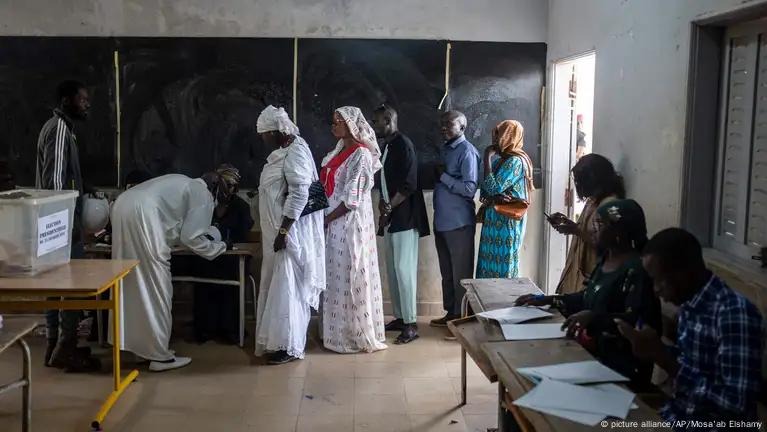
Swing voters aren’t a single group. They’re a mix of people who share one trait: they don’t vote the same way every time. Some genuinely weigh candidates and issues on merit. Some vote based on the state of the economy or their immediate circumstances. Others simply feel disengaged from politics and only show up when something grabs their attention.
This mix matters. Campaigns that treat swing voters as one uniform bloc waste resources on messages that only resonate with part of the group. Effective campaigns break swing voters into smaller segments and design distinct approaches for each one, rather than running a single generic pitch and hoping it lands.
Why Swing Voters Decide Elections
In most competitive races, the base on both sides shows up regardless of the message. Swing voters don’t. Their turnout, and their choice, fluctuates based on what the campaign does and says. A small shift among swing voters can outweigh a much larger effort spent reinforcing an already loyal base.
This is why campaigns that scale well, the kind we help build at LeadGovtOS, allocate serious intelligence resources toward understanding this group early. Waiting until the final weeks of a race to study swing voters means making decisions on instinct instead of data, right when precision matters most.
Common Misconceptions About Swing Voters
Many campaigns misread swing voters in a few predictable ways. Correcting these misconceptions early saves time and resources later in the race.
- Myth: Swing voters are simply moderate or centrist. In reality, many hold strong views on specific issues but don’t align with either party’s full platform.
- Myth: Swing voters are poorly informed. Many are highly engaged on the issues they care about, just not loyal to a party brand.
- Myth: The same swing voter strategy works everywhere. Swing voters in urban centers often care about different issues than swing voters in rural or peri-urban areas.
- Myth: Swing voters respond best to negative messaging about the opponent. Many respond better to a clear, credible plan than to attacks alone.
Building the Intelligence Layer
Understanding swing voters starts with data, not assumptions. This means combining polling, past voting patterns, demographic shifts, and ground-level sentiment from field teams. It also means updating this picture continuously, not just once at the start of a campaign.
We believe informed decisions outperform assumptions. A strong intelligence layer identifies which specific issues move swing voters in each region, which messages fall flat, and which local concerns matter more than national talking points. This intelligence should flow directly to regional teams, not stay locked inside a strategy office far from the ground.
What Actually Moves Swing Voters
Swing voters generally respond to a few consistent factors, though the weight of each varies by context.
- Personal and economic relevance: how a candidate’s platform affects their daily life, not abstract national narratives.
- Credibility and consistency: whether the candidate’s promises match their track record and public conduct.
- Local responsiveness: whether the campaign addresses concerns specific to their community, not just a national script.
- Clarity over noise: straightforward plans tend to outperform vague or overly complex messaging.
Swing voters also tend to notice tone. Campaigns that stay disciplined, respectful, and solutions-focused tend to hold swing voter attention longer than campaigns that lean heavily into conflict or spectacle.
Segmenting the Swing Vote

Effective campaigns break the swing vote into smaller, addressable segments instead of treating it as one audience. Common segments include economically anxious voters, single-issue voters, disengaged or low-turnout voters who could be activated, and voters loyal to a previous candidate rather than a party.
Each segment needs its own message, its own channel, and often its own messenger. A single generic appeal rarely moves all of these groups at once. Regional teams, equipped with local intelligence, are usually better positioned to identify which segments matter most in their specific area.
Messaging That Earns Trust, Not Just Attention
Swing voters respond poorly to messaging that feels manufactured for them specifically. Overly targeted, inconsistent messaging across different audiences can backfire if voters compare notes or see contradictory statements from the same campaign.
The stronger approach keeps a consistent core message, then adapts emphasis, not substance, for different audiences. A campaign can lead with economic concerns in one region and local infrastructure in another, without changing its underlying platform. This protects credibility while still speaking directly to what each segment cares about most.
Avoiding the Late-Campaign Scramble

Many campaigns wait too long to seriously engage swing voters, often pivoting toward them only in the final weeks. By then, options narrow. Trust takes time to build, and swing voters, more than loyal base voters, need that time to form a genuine impression of a candidate.
Campaigns that build swing voter strategy into their structure from day one, rather than treating it as a late addition, consistently perform better. This means dedicating intelligence resources, messaging discipline, and regional coordination to this group throughout the campaign, not just in the closing stretch.
Turning Swing Voter Strategy Into Governing Strategy
Swing voters don’t disappear after election day. The same voters who decided the race will judge the government’s performance afterward, often more critically than the base. Understanding what earned their support matters just as much for governing as it did for winning.
At LeadGovtOS, we treat this as a continuation, not a separate task. The issues that moved swing voters during the campaign often point directly to the priorities that matter most for governing effectively. Carrying that intelligence into the transition helps new leaders protect the mandate they worked hard to earn.
Practical Steps for Understanding Swing Voters
- Build a dedicated intelligence process to track swing voter sentiment throughout the campaign, not just before election day.
- Segment swing voters by issue, region, and motivation instead of treating them as one group.
- Keep core messaging consistent while adapting emphasis for different segments and regions.
- Equip regional teams with local intelligence so they can respond to community-specific concerns.
- Start swing voter engagement early in the campaign, not in the final weeks.
- Carry swing voter intelligence into the governance transition to protect the mandate after victory.
Conclusion
Swing voters rarely make up the largest share of the electorate, but they consistently decide the closest and most important races. Understanding them takes real intelligence work, not guesswork, and it takes discipline to keep engaging them well before the final stretch of a campaign.
At LeadGovtOS, we help candidates and parties build the systems needed to understand swing voters clearly, reach them credibly, and carry that understanding into governance once the campaign ends. Winning the undecided middle isn’t about outshouting the opposition. It’s about outworking them on intelligence, consistency, and trust.
At LeadGovtOS, we help candidates, parties, and governments build exactly this kind of system, one designed not just to win, but to govern effectively and create lasting institutional legacy long after election night is over.
Want to learn more?
This article is brought to you by LEADGovtOS, an advocacy initiative campaigning for stronger governance reform across Africa. To explore more of our work and resources on governance and leadership, visit leadgovtos.org.