
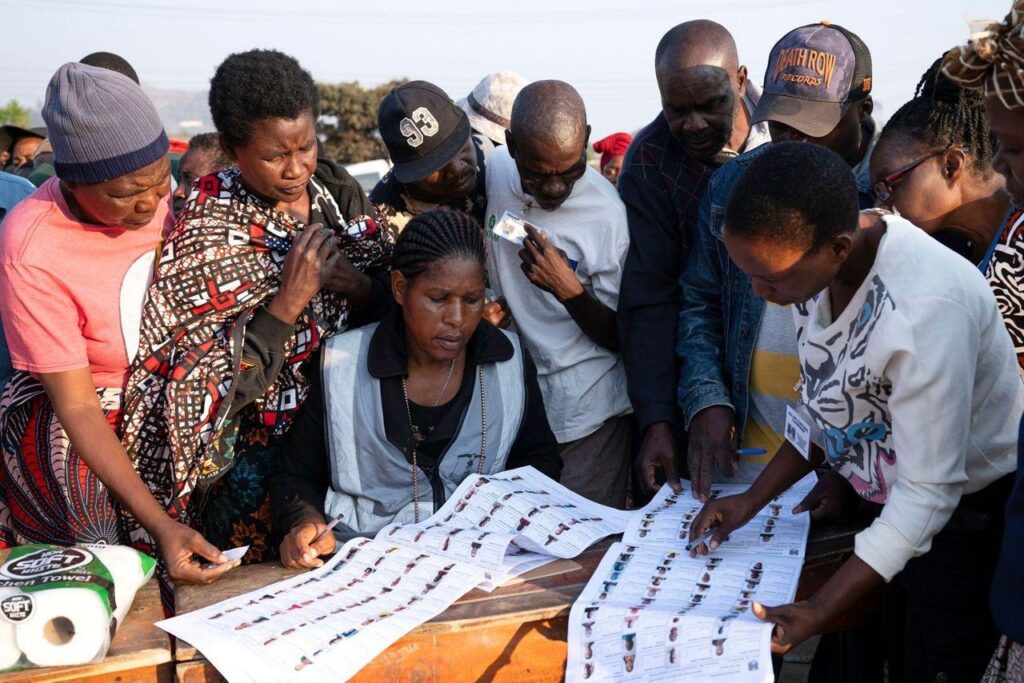
“Elections are won and lost long before final results appear. Polling unit management shapes whether an election runs smoothly, whether voters trust the outcome, and whether the process holds up to scrutiny.”
Elections are won and lost long before final results appear. Polling unit management shapes whether an election runs smoothly, whether voters trust the outcome, and whether the process holds up to scrutiny. A well-run polling unit protects the integrity of every vote cast there. A poorly run one can undermine an entire election, regardless of how well officials designed the broader electoral system.
This article looks at how polling unit management affects electoral success. It covers staffing, logistics, security, technology, and voter experience, and it explains why the smallest unit in an election often carries the greatest weight.
What Polling Unit Management Actually Involves
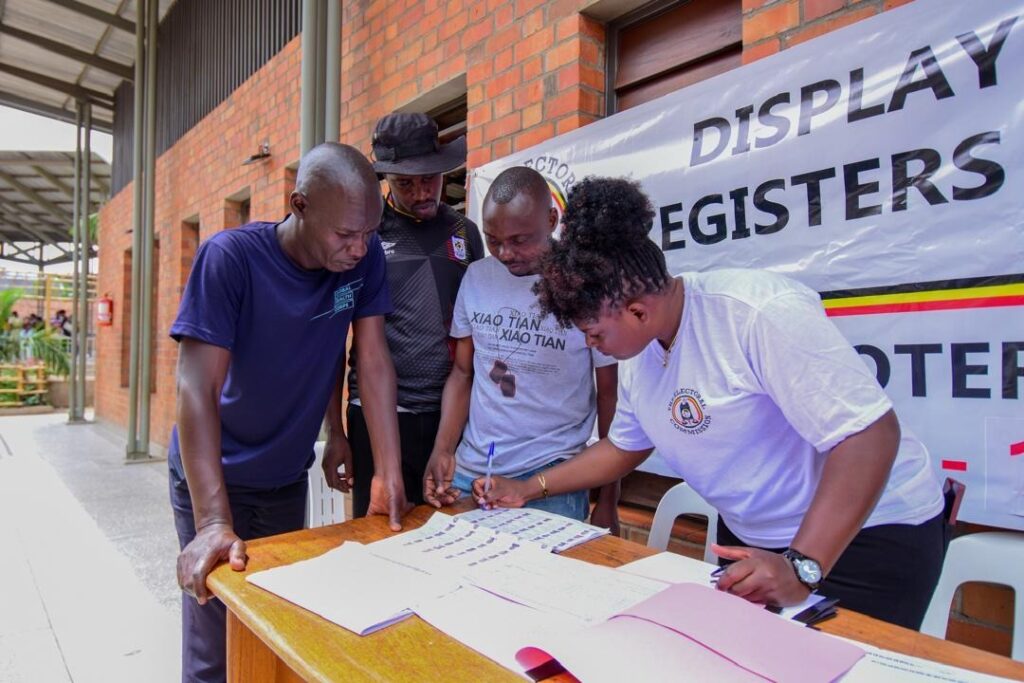
A polling unit is the closest point of contact between voters and the electoral process. Managing it well means more than opening doors on election day. It includes recruiting and training staff, distributing materials on time, securing the location, verifying voter identity, and accurately recording and reporting results.
Each of these tasks depends on the others. A delay in material distribution can throw off staff scheduling. Poor staff training can slow down voter verification. Weak security can discourage turnout or invite interference. Electoral success at the national level starts with getting these small, local details right.
Staffing and Training in Polling Unit Management
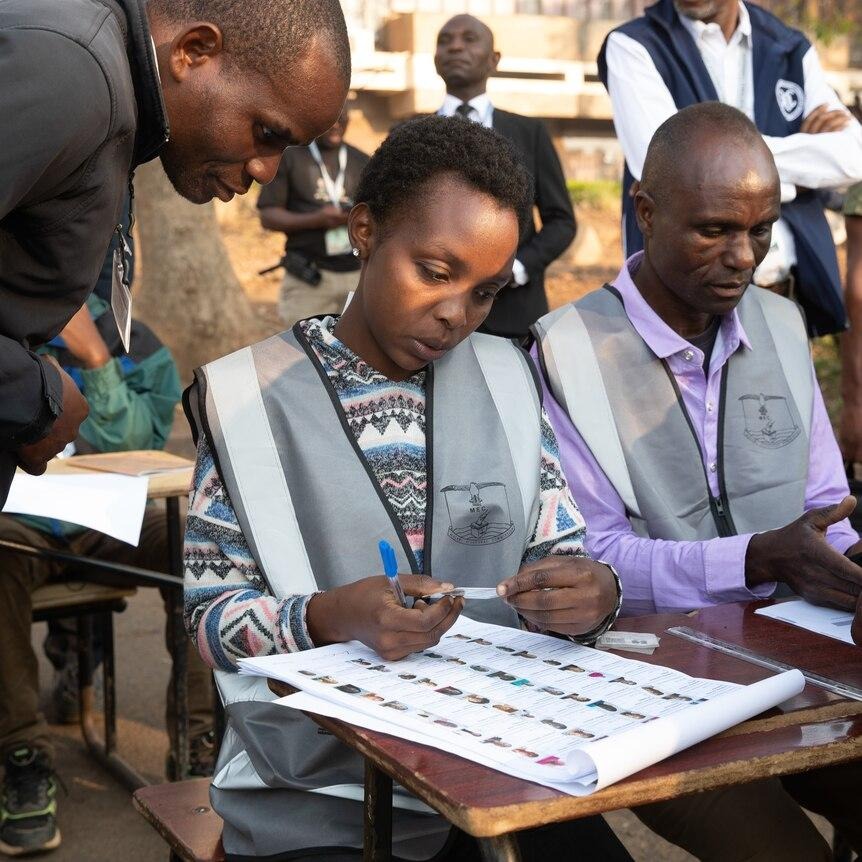
Poll workers run the process voters actually experience. Their competence and conduct shape how smoothly voting goes and how much the public trusts the result. Well-trained staff understand procedures clearly, handle disputes calmly, and process voters efficiently. Poorly trained staff cause delays, make procedural errors, and open the door to accusations of bias or incompetence.
- Recruit staff early enough to allow for thorough training, not last-minute orientation.
- Train workers on both technical procedures and how to manage voters calmly under pressure.
- Assign clear roles so responsibilities don’t overlap or fall through the cracks.
- Build in backup staff for units with high expected turnout or known logistical challenges.
Election bodies that invest in staff training consistently see fewer procedural errors and fewer disputes at the polling unit level.
Logistics and Material Distribution
Voting materials must arrive at each polling unit on time, complete, and in usable condition. Ballots, voter registers, ink, and result sheets all need careful tracking from storage to distribution. A shortage of any single item can delay voting for hours or force officials to make improvised decisions that undermine public confidence.
Late or incomplete material delivery ranks among the most common causes of voter frustration and disenfranchisement. Voters who arrive early and wait for hours because materials haven’t arrived often leave without voting at all, particularly in areas where people juggle work, transportation, or family obligations. Strong logistics planning, including realistic timelines and contingency routes, directly protects voter turnout.
Security and Voter Safety
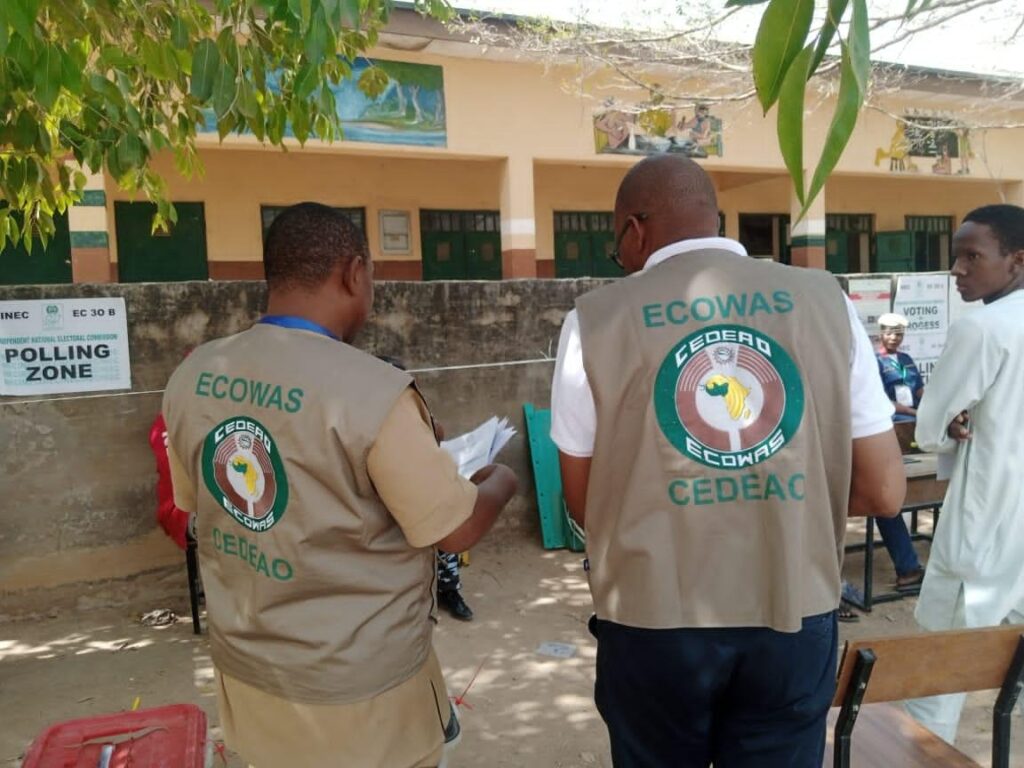
Polling units must feel safe for both voters and staff. Security failures don’t just create physical risk. They also discourage turnout, especially among women, elderly voters, and other groups who may already feel vulnerable in public spaces. Visible, professional security presence reassures voters without intimidating them.
Security planning should account for the specific risks of each location, since urban and rural polling units often face different challenges. Coordination between electoral officials and security agencies before election day, not just on election day, tends to produce calmer, more orderly polling units.
Technology and Verification Systems
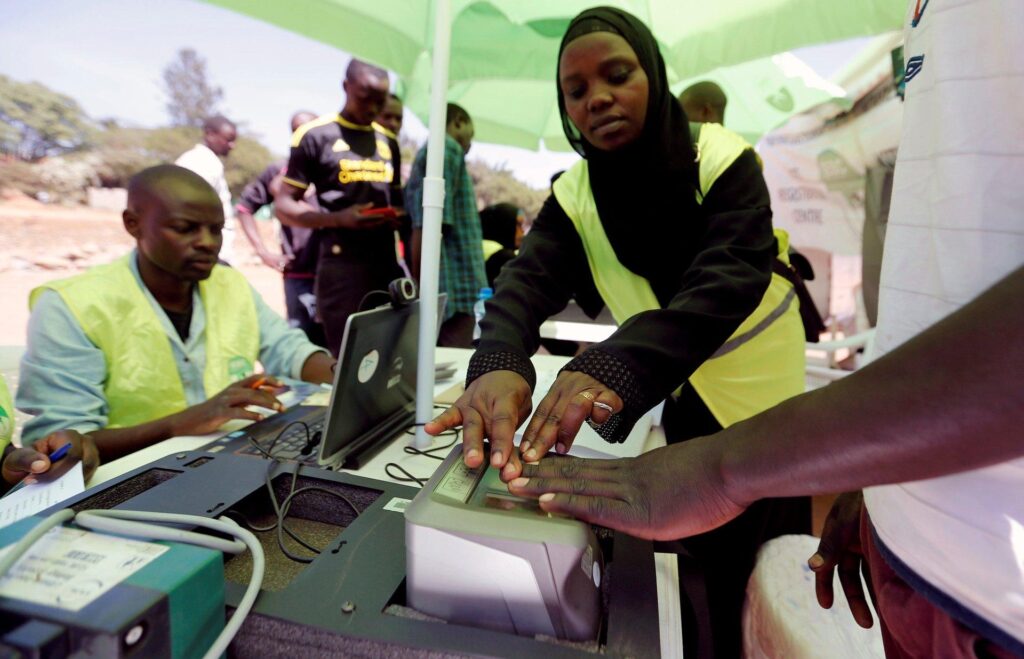
Many electoral bodies now use biometric verification, electronic voter registers, or digital result transmission at the polling unit level. These tools can reduce fraud and speed up processing, but only when they work reliably and when staff know how to use them.
Technical failures at the polling unit level carry outsized consequences. A single malfunctioning verification device can create long queues, frustrate voters, and fuel suspicion of manipulation, even when the failure is purely technical. Backup procedures, properly tested equipment, and trained technical support at each unit help prevent small glitches from becoming major controversies.
Voter Experience and Turnout
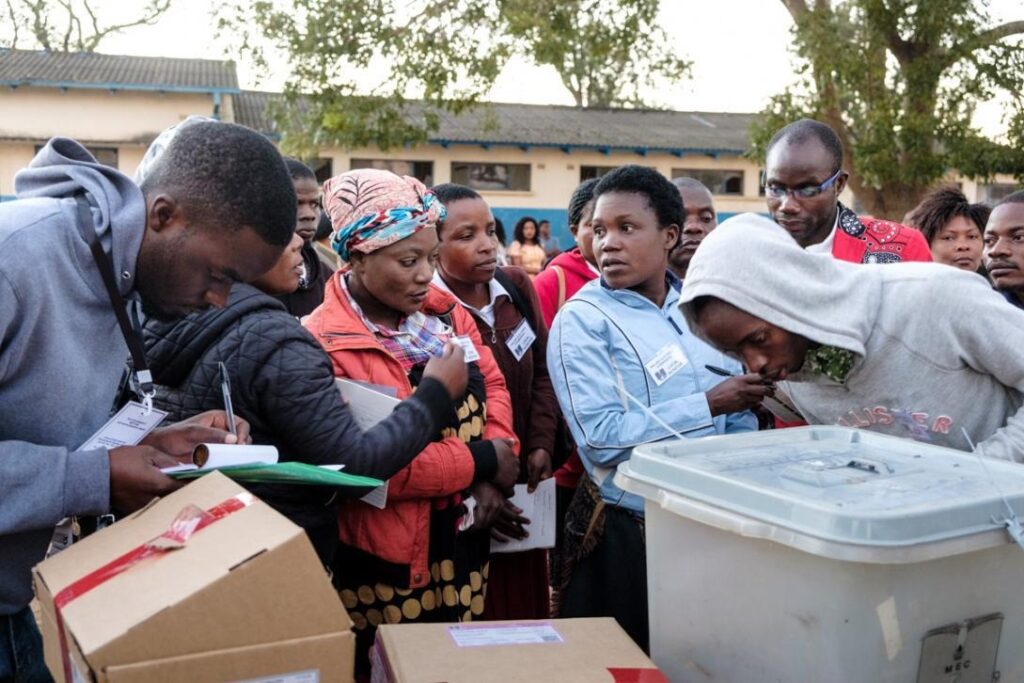
How voters experience a polling unit directly affects whether they vote at all and whether they return in future elections. Long queues, confusing procedures, or disrespectful treatment discourage participation. Clear signage, organized queues, and courteous staff make voting feel accessible rather than burdensome.
Accessibility matters just as much as efficiency. Polling units that accommodate elderly voters, people with disabilities, and pregnant women tend to see higher satisfaction and fewer complaints. Small adjustments, like seating for those waiting or priority access for vulnerable groups, can meaningfully improve turnout among groups that might otherwise stay home.
Result Collation and Transparency
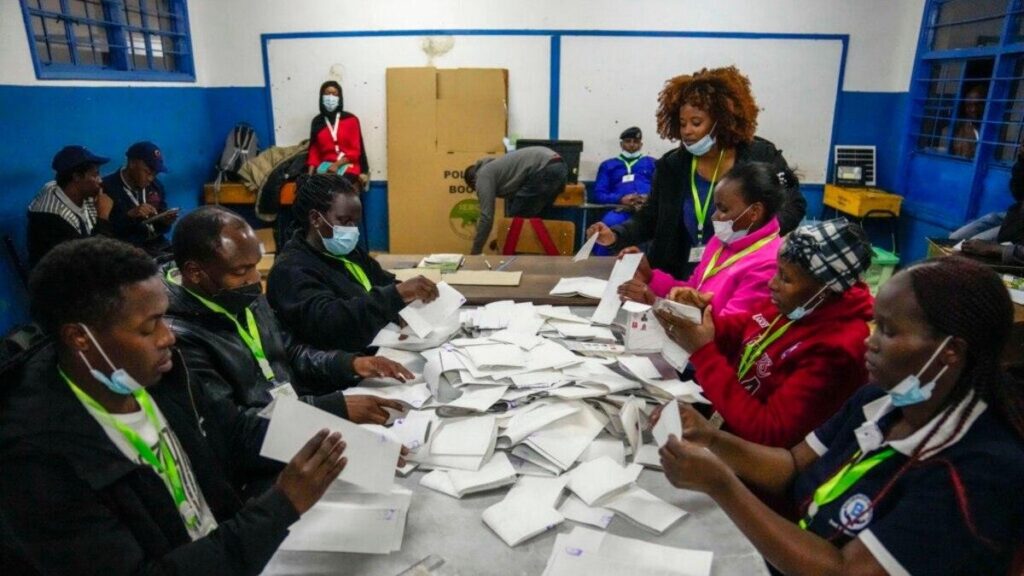
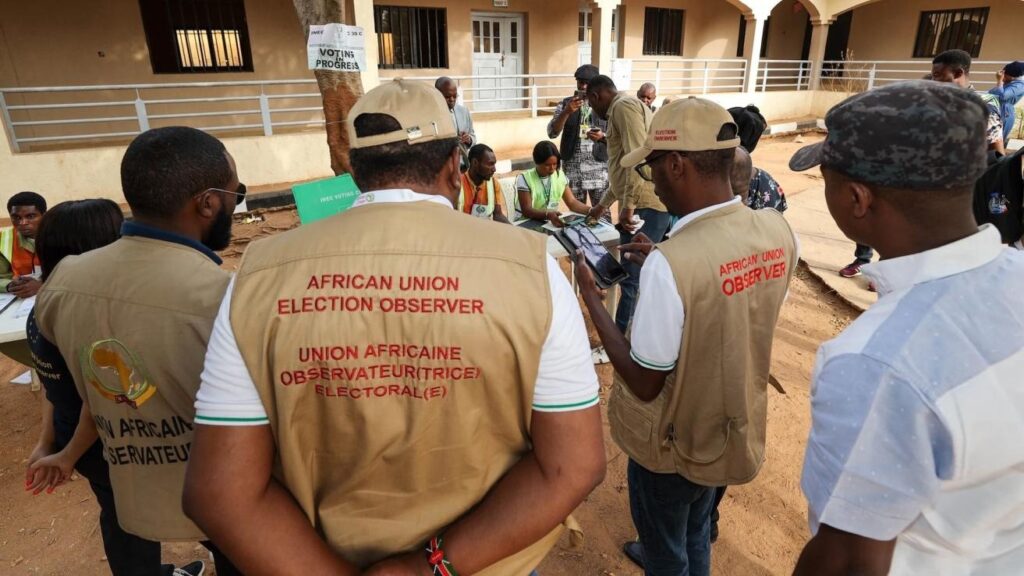
Polling units generate the raw data that determines an election’s outcome. Accurate counting, clear documentation, and transparent posting of results at the unit level all build public trust. Party agents and independent observers play an important role here, since their presence during counting reassures voters that results reflect what actually happened at their local polling unit.
Delays or inconsistencies in result collation, even when accidental, can fuel accusations of manipulation. Electoral bodies that prioritize transparent, well-documented counting procedures at the polling unit level tend to face fewer disputes during the collation process that follows.
Polling Unit Management and National Electoral Success
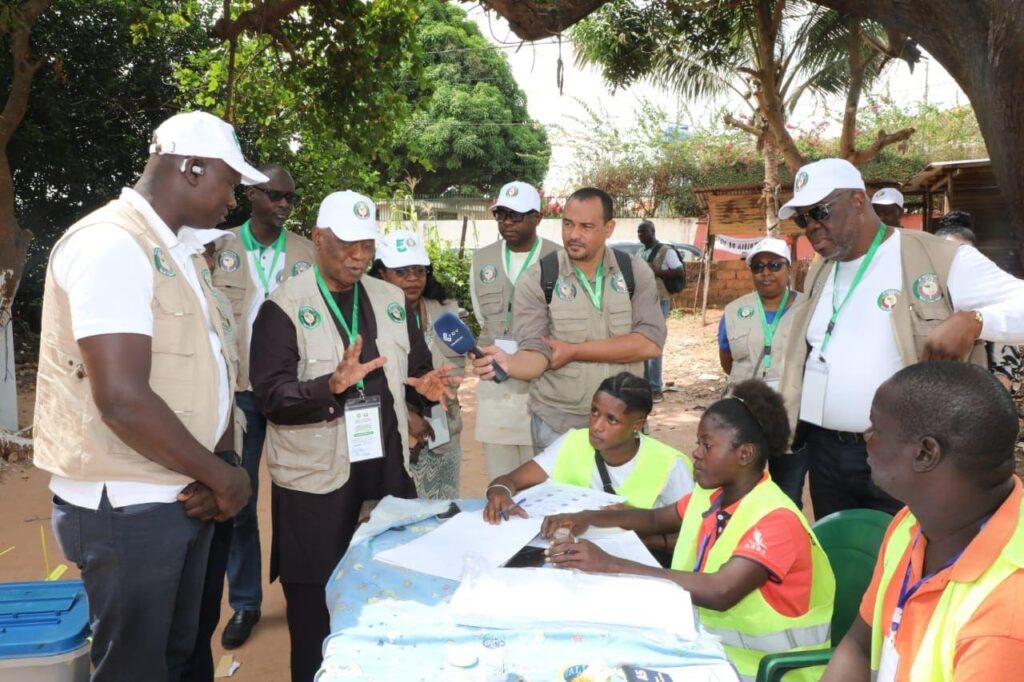
Problems at individual polling units rarely stay isolated. Widespread reports of delays, technical failures, or security concerns across many units can shape public perception of an entire election, even when most units function well. A single viral video from one poorly managed polling unit can undermine confidence in a process where thousands of other units ran smoothly.
This ripple effect explains why electoral bodies increasingly treat polling unit management as a strategic priority rather than a purely administrative task. Strong management at this level protects not just individual voting experiences but the credibility of the election as a whole.
Practical Steps for Strengthening Polling Unit Management
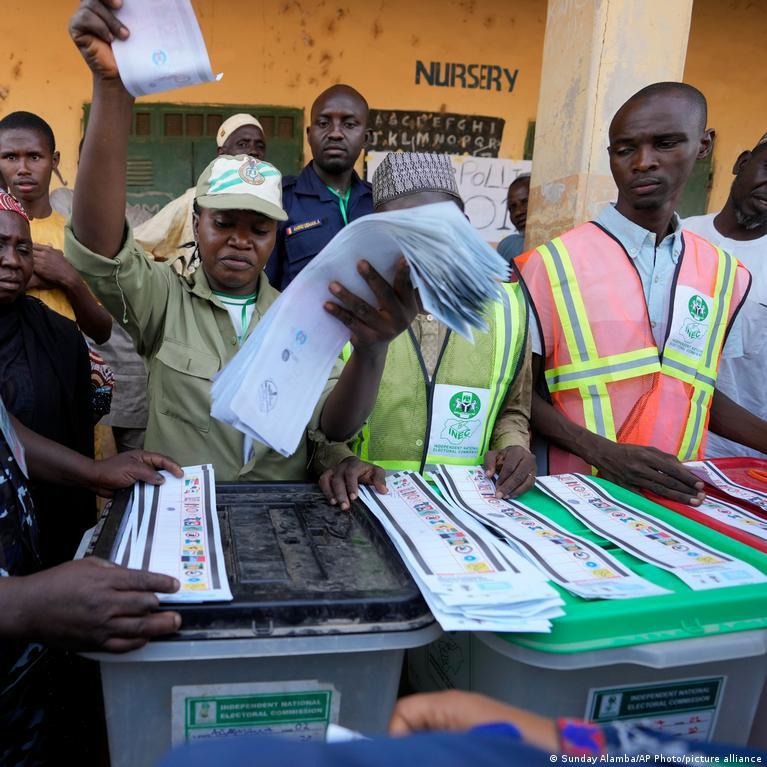
- Start staff recruitment and training well ahead of election day, not weeks before.
- Build redundancy into logistics, technology, and staffing to absorb unexpected failures.
- Coordinate closely with security agencies on location-specific risk planning.
- Test all technology under real conditions before election day, with trained backup support on hand.
- Prioritize accessibility for elderly, disabled, and vulnerable voters at every unit.
- Maintain transparent, well-documented counting and posting procedures at the unit level.
Conclusion
Polling unit management may seem like a small, local detail in the much larger machinery of an election, but it carries outsized influence over electoral success. Well-trained staff, reliable logistics, strong security, functional technology, and transparent counting all shape whether voters trust the process and whether the results hold up to scrutiny. Electoral bodies that invest seriously in polling unit management protect not just individual voting experiences, but the legitimacy of the election itself.
Want to learn more?
This article is brought to you by LEADGovtOS, an advocacy initiative campaigning for stronger governance reform across Africa. To explore more of our work and resources on governance and leadership, visit leadgovtos.org.