
Election-Day Readiness: Executing When It Matters Most

Election-Day Readiness has become one of the most important strategic capabilities in modern political campaigns. Winning elections requires more than enthusiasm, messaging, or fundraising. It requires disciplined preparation, coordinated execution, and systems that perform under pressure.
At LeadGovtOS, we build election-day readiness as its own discipline within the campaign structure. This article breaks down what real readiness looks like. It also explains why campaigns that plan for it early perform better when it counts.
Why Election-Day Readiness Matters
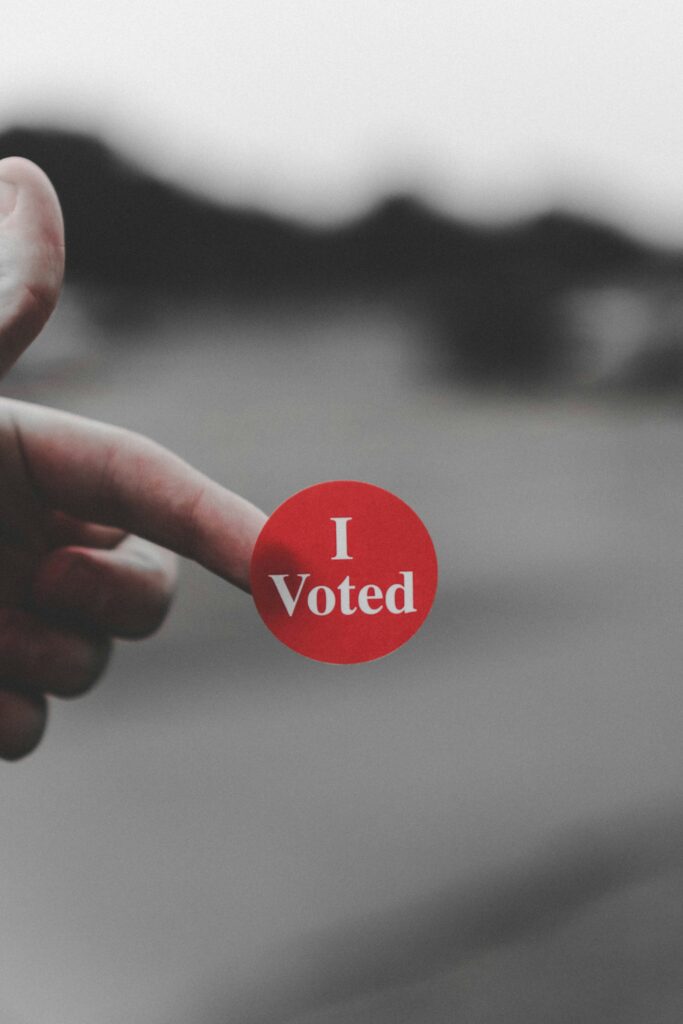
Election day compresses months of work into a few hours. Consequently, every weakness in a campaign’s structure becomes more visible. For example, poor logistics planning can produce long queues at polling units. Likewise, weak communication systems often leave polling agents confused and unsupported. Most importantly, unclear chains of command can slow critical decisions when time matters most.
Successful political organizations prepare for this pressure from the very beginning of the electoral cycle. They don’t assemble election-day operations as a checklist in the final week. They build it as a system, and they test that system well before voters arrive.
Core Components of Election-Day Readiness
- Polling agent deployment: trained agents assigned to every unit, with clear reporting lines back to regional command.
- Logistics and materials: verified delivery timelines for ballots, verification devices, and result sheets, with backup routes ready for delays.
- Rapid-response systems: a dedicated team ready to resolve disputes, technical failures, or security concerns in real time.
- Communication infrastructure: reliable channels connecting polling units, regional command, and the strategic core throughout the day.
- Result verification: a clear process for confirming and transmitting results accurately, backed by independent checks.
Core Components of Election-Day Readiness
Readiness depends heavily on people, not just plans. Polling agents and field staff need real training. A rushed briefing the night before doesn’t count. First, polling agents should understand electoral procedures clearly. In addition, they must learn how to manage disputes calmly and professionally. Finally, every member of the field team should know exactly who to contact whenever challenges arise.
We believe sustained execution creates sustainable impact. That discipline applies directly here. Campaigns that run realistic drills before election day catch weaknesses in their plan while they still have time to fix them.
Command Structure on the Day Itself

A clear command structure prevents election day from collapsing into chaos. Decisions need an obvious owner at every level — polling unit, regional, and national. When problems arise, staff shouldn’t have to guess who holds the authority to act.
This structure mirrors the same principle behind scalable campaign design. Authority sits close to the problem. Regional command handles regional issues. The strategic core focuses on the picture across the whole race, not individual polling unit disputes.
Election-Day Readiness and Real-Time Political Intelligence
Readiness doesn’t stop once polls open. Campaigns need real-time visibility into turnout patterns, emerging problems, and results as they come in. This intelligence lets leadership respond quickly. A logistics failure gets fixed fast. An underperforming area gets extra mobilization before it’s too late.
We believe informed decisions outperform assumptions. That principle matters even more under the pressure of election day, when there’s no time to recover from decisions made on guesswork.
From Election Day to Governance

How a campaign handles election day often previews how it will handle governing. Calm, organized execution under pressure signals genuine readiness to lead. A chaotic election day, even with a winning result, can damage public confidence before governance even begins.
At LeadGovtOS, we treat election-day readiness as the first real test of a campaign’s ability to execute at scale — the same capability a government needs on day one in office.
Practical Steps for Election-Day Readiness
- Build and test a clear command structure well before election day.
- Train polling agents and field staff with realistic drills, not last-minute briefings.
- Establish rapid-response teams for disputes, technical failures, and security concerns.
- Set up reliable, redundant communication channels between all levels of the campaign.
- Create a transparent result verification and transmission process.
- Track real-time intelligence throughout the day to guide fast, informed decisions.
Conclusion
Election-day readiness isn’t a final checklist. It’s a system built well ahead of time, tested under realistic conditions, and run by people who know exactly what to do when pressure hits. Campaigns that treat readiness this seriously don’t just win the day. They walk into governance having already proven they can execute.
At LeadGovtOS, we help campaigns build this readiness into their structure from the start, so election day becomes a demonstration of strength, not a scramble against the clock.
Want to learn more?
This article is brought to you by LEADGovtOS, an advocacy initiative campaigning for stronger governance reform across Africa. To explore more of our work and resources on governance and leadership, visit leadgovtos.org.