
Introduction
Building Digital Campaign Infrastructure has become one of the most important strategic priorities for modern political organizations. Winning elections today requires far more than persuasive speeches, large rallies, or strong fundraising efforts. Instead, successful campaigns rely on integrated digital systems that connect people, information, communication, and decision-making into one coordinated operation.

Building Digital Campaign Infrastructure enables political leaders to transform campaign operations into scalable governance systems that improve citizen engagement, institutional performance, and public trust.
Moreover, political leaders who invest in digital infrastructure before elections are better prepared to govern after victory. Rather than building temporary campaign structures, they establish scalable systems that continue supporting leadership, citizen engagement, institutional coordination, and government performance.
At LEADGovtOS, we believe Building Digital Campaign Infrastructure is the foundation of our Campaign-to-Government Operating System™. Consequently, our approach enables leaders to move seamlessly from campaign operations to governance execution while creating institutions capable of delivering measurable results for citizens.
Why Building Digital Campaign Infrastructure Matters
Modern campaigns operate in highly competitive and information-driven environments. Therefore, political organizations require technology that improves communication, enhances operational efficiency, and supports evidence-based decision-making.
Unlike traditional campaigns that depend heavily on manual coordination, digital infrastructure integrates every major campaign function into one connected system.
For example, campaign leaders can monitor field activities, communicate with volunteers, analyze voter behavior, coordinate logistics, and evaluate performance simultaneously. As a result, leadership teams respond faster and allocate resources more effectively.
Furthermore, digital infrastructure strengthens organizational resilience because information remains centralized instead of depending on individual staff members.
Building Digital Campaign Infrastructure for Modern Political Campaigns

Digital campaign infrastructure consists of interconnected technologies, processes, and leadership systems designed to support campaign planning and execution.
Rather than functioning independently, these components work together to improve efficiency throughout the campaign lifecycle.
Core elements include:
- Political CRM platforms
- Voter databases
- Volunteer management systems
- Communication platforms
- Digital fundraising systems
- Election-day operations platforms
- Analytics dashboards
- Performance monitoring tools
- Governance transition systems
Together, these capabilities create an intelligent political operating environment.
Digital Voter Intelligence and Citizen Engagement

Understanding citizens remains central to every successful campaign.
Instead of relying on assumptions, digital infrastructure allows campaign teams to analyze demographic information, voter priorities, and engagement patterns.
Consequently, communication becomes more relevant and personalized.
Likewise, digital engagement platforms help campaigns maintain meaningful relationships before, during, and after elections.
At LEADGovtOS, Political Intelligence and Strategy services transform voter data into actionable insights that improve campaign effectiveness while strengthening long-term citizen engagement.
Building Digital Campaign Infrastructure Through Political CRM Systems
Political Customer Relationship Management (CRM) systems organize interactions between campaigns and citizens.
Rather than storing isolated contact lists, modern CRM platforms create comprehensive engagement histories that improve communication and relationship management.
These systems help campaigns:
- Manage volunteers
- Coordinate outreach
- Track constituent issues
- Monitor engagement
- Improve fundraising
- Strengthen stakeholder relationships
Consequently, campaigns become more responsive while building lasting public trust.
Data Management and Campaign Intelligence
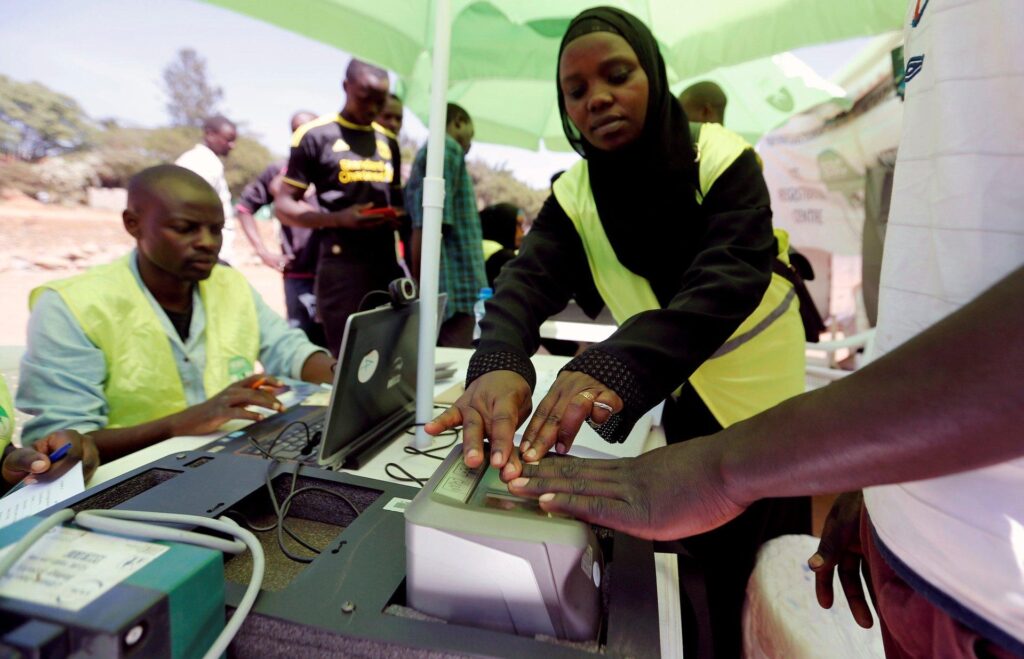
Reliable data enables better leadership decisions.
Furthermore, integrated analytics allow campaign managers to monitor performance continuously.
For instance, leaders can identify regions requiring additional mobilization, evaluate campaign messaging, and monitor voter engagement in real time.
As political environments evolve, campaign strategies can also adapt quickly.
Therefore, data management significantly improves operational effectiveness.
Election-Day Operations and Digital Coordination
Election day represents the ultimate operational test.
Because thousands of activities occur simultaneously, campaigns require coordinated digital systems capable of managing complex operations.
Digital infrastructure supports:
- Polling agent deployment
- Incident reporting
- Logistics coordination
- Real-time communication
- Result verification
- Performance monitoring
Consequently, campaign leaders maintain visibility across every operational level.
Instead of reacting slowly, leadership teams respond immediately to emerging challenges.
Governance Transition Begins Before Election Victory

Winning elections creates opportunities.
However, governing successfully requires preparation long before inauguration.
Digital infrastructure supports governance transition by preserving campaign knowledge, organizing policy priorities, and coordinating implementation planning.
Moreover, governance transition systems reduce delays between electoral victory and public service delivery.
At LEADGovtOS, Governance Transition Advisory ensures that leadership teams move efficiently from campaigning to governing.
Performance Management Through Digital Infrastructure
Government effectiveness depends upon measurable performance.
Accordingly, digital platforms enable leaders to establish key performance indicators, monitor implementation progress, and improve accountability.
Performance dashboards help governments:
- Track strategic priorities
- Evaluate policy implementation
- Monitor ministry performance
- Improve resource allocation
- Strengthen transparency
Consequently, leaders make decisions using evidence rather than assumptions.
Building Strong Institutions Through Digital Systems
Strong governments depend on strong institutions rather than individual personalities.
Digital systems preserve institutional memory, document operational knowledge, and support leadership continuity.
Additionally, knowledge management platforms reduce disruptions during leadership transitions.
As a result, governments maintain momentum regardless of political changes.
Institutional resilience ultimately strengthens democratic governance.
Cybersecurity and Digital Trust
Digital transformation also introduces new responsibilities.
Governments and political organizations must protect sensitive information while maintaining public confidence.
Therefore, cybersecurity should become an essential component of digital campaign infrastructure.
Effective protection includes:
- Secure databases
- Identity verification
- Data privacy standards
- Access controls
- Continuous monitoring
Likewise, transparent governance builds citizen confidence in digital systems.
The LEADGovtOS Approach to Building Digital Campaign Infrastructure

LEADGovtOS integrates digital infrastructure across every stage of political leadership.
Through our Campaign-to-Government Operating System™, we help leaders design systems that support electoral success and governance excellence.
Our integrated solutions include:
Political Intelligence and Strategy
Using data to guide campaign planning and stakeholder engagement.
Campaign Execution Systems
Coordinating field operations, communications, volunteers, and logistics.
Political CRM Solutions
Strengthening citizen engagement before and after elections.
Governance Transition Advisory
Preparing governments for effective implementation immediately after victory.
Performance Management Frameworks
Measuring institutional performance through evidence-based indicators.
Institutional Legacy Building
Creating systems that strengthen governance beyond political tenure.
Together, these solutions transform campaigns into sustainable governance platforms.
Recommendations for Building Digital Campaign Infrastructure
Political organizations should:
- Develop integrated digital strategies before campaigns begin.
- Invest in Political CRM systems for citizen engagement.
- Strengthen voter intelligence capabilities.
- Establish secure data governance policies.
- Build election-day operational platforms.
- Prepare governance transition systems before elections.
- Introduce performance management dashboards.
- Protect campaign information through cybersecurity frameworks.
- Train leadership teams in digital governance.
- Build scalable systems that continue supporting government after elections.
Conclusion
Building Digital Campaign Infrastructure has become essential for political organizations seeking sustainable success.
Although strong messaging remains important, scalable systems now determine whether campaigns can execute effectively and govern successfully.
Furthermore, digital infrastructure strengthens operational coordination, improves citizen engagement, enhances accountability, and supports institutional learning.
Most importantly, leaders who invest in digital systems before elections are better prepared to deliver measurable governance outcomes after victory.
At LEADGovtOS, we help political leaders build intelligent systems that transform campaigns into capable governments and capable governments into lasting institutions.
Strong Campaigns Create Opportunities.
Strong Governments Create Results.
Strong Institutions Create Legacy.
Want to learn more?
This article is brought to you by LEADGovtOS, part of Africa’s campaign toward stronger, more effective governance systems. Visit leadgovtos.org to explore more resources on governance, leadership, and digital transformation across the continent.