
Introduction

Building Institutions That Outlast Political Tenure is one of the most important responsibilities of effective political leadership. Elections come and go. Political administrations change. However, institutions remain the foundation upon which sustainable development, public trust, and national progress are built. Leaders who focus only on short-term achievements may win political victories, but leaders who prioritize institution-building create lasting impact that benefits citizens long after they leave office.
Across Africa and around the world, many governments struggle because public systems become dependent on individuals rather than institutions. As a result, policies often disappear when administrations change. Consequently, progress slows, institutional memory is lost, and citizens lose confidence in government. At LEADGovtOS, , we believe that Building Institutions That Outlast Political Tenure is essential for transforming political mandates into lasting governance outcomes. Strong institutions create continuity, improve accountability, and ensure that national development remains on track regardless of political transitions.
Why Building Lasting Institutions Matters
The most successful governments in history are remembered not only for their leaders but also for the institutions they created and strengthened. Strong institutions provide stability during political transitions. They improve policy implementation and strengthen public confidence in government.
Moreover, institutions preserve knowledge, maintain continuity, and support effective decision-making regardless of changes in political leadership. When institutions function effectively, citizens experience better governance outcomes through improved public services, stronger accountability mechanisms, and more responsive leadership.
Unfortunately, many political systems across emerging democracies remain personality-driven rather than institution-driven. Public programmes frequently disappear with political transitions. Strategic priorities change abruptly. Institutional memory becomes fragmented, and governments spend valuable time rebuilding systems that should have continued uninterrupted.
For this reason, building lasting institutions must become a strategic priority from the beginning of every political administration.
Leadership Beyond Political Office
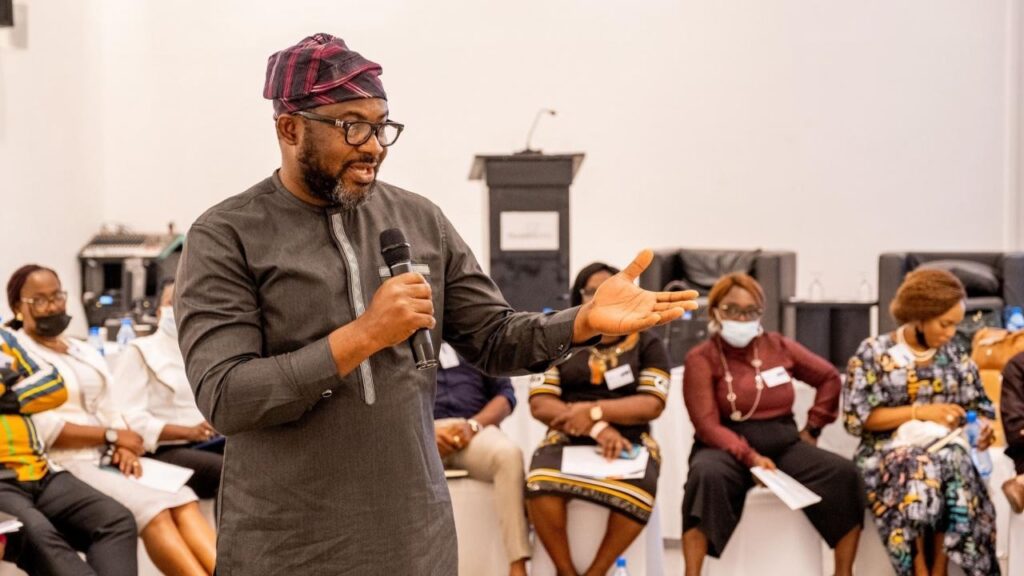
Leadership should never be measured solely by electoral victories or years spent in office. Instead, it should be evaluated by the systems leaders leave behind and the institutions they strengthen during their tenure.
Great leaders understand that political office is temporary. Consequently, they focus on developing structures that empower future generations of public servants to continue delivering meaningful results.
Leadership beyond office requires deliberate choices. It demands investment in institutional capacity, leadership development, succession planning, and measurable performance systems. Most importantly, it requires leaders to think beyond electoral cycles and prioritize sustainable public value creation.
Citizens benefit most when governments focus on building institutions rather than concentrating authority within individuals. Strong institutions outlast strong personalities because they are designed to preserve values, protect public interests, and sustain progress over time.
Building Lasting Institutions Through Governance Transition Planning
Institutional success rarely begins after inauguration. Rather, it begins during governance transition planning. Leaders who prepare for governance early are significantly better positioned to establish effective systems from their first day in office.
Governance transition planning enables leaders to align campaign commitments with implementation priorities. Furthermore, it strengthens coordination across government institutions while establishing clear performance expectations for leadership teams.
At LEADGovtOS, governance transition forms a critical component of our Campaign-to-Government Operating System™. We recognize that governments should prepare not only to assume office but also to govern effectively throughout their tenure.
Transition planning should therefore include:
- Strategic governance priorities.
- Institutional capacity assessments.
- Leadership team development.
- Performance measurement frameworks.
- Citizen engagement strategies.
- Technology and data infrastructure planning.
- Institutional continuity mechanisms.
Preparing early significantly improves governmental effectiveness while reducing the risks associated with leadership transitions.
Strong Institutions Create Public Trust
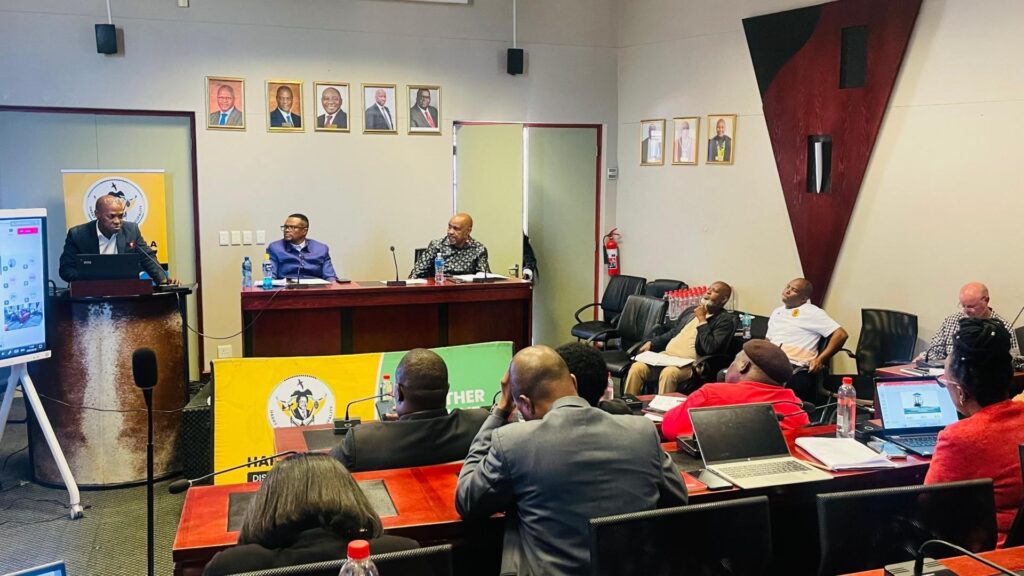
Public trust remains one of the most valuable assets any government possesses. However, trust cannot be sustained through political messaging alone. Citizens expect governments to communicate progress honestly and deliver measurable results consistently.
Building lasting institutions strengthens public trust because institutions provide continuity, predictability, and accountability. Citizens should understand how policies are implemented, how resources are allocated, and how governmental performance is measured over time.
Furthermore, transparent institutions strengthen democratic participation by encouraging citizens to engage constructively with governance processes. When governments communicate openly and measure performance effectively, citizens become active partners in national development rather than passive observers of political processes.
Trust therefore grows when institutions demonstrate competence, transparency, and sustained commitment to public service.
Performance Management and Institutional Continuity
Effective institutions require effective performance management systems. Governments should establish measurable indicators that align strategic priorities with public expectations. Performance management enables leaders to monitor implementation progress while strengthening accountability across ministries, departments, and agencies.
Moreover, performance systems support institutional continuity by preserving organizational knowledge and operational standards across political administrations. Governments that measure what matters are better equipped to improve public outcomes and communicate achievements transparently.
Performance management should include:
- Strategic goal setting.
- Public performance reporting.
- Periodic leadership reviews.
- Service delivery assessments.
- Citizen satisfaction measurements.
- Policy implementation tracking.
- Institutional learning frameworks.
Leadership teams that operate within clear performance systems consistently deliver stronger governance outcomes than those relying primarily upon informal structures.
Technology, Data, and Institutional Excellence

Technology continues to reshape governance across the world. Consequently, governments must invest deliberately in digital systems that strengthen institutional effectiveness and improve public service delivery.
Data-driven governance enables leaders to make informed decisions based upon measurable evidence rather than assumptions. Furthermore, digital governance systems improve coordination across institutions while enhancing transparency and responsiveness.
Technology should support institutional excellence through:
- Performance dashboards.
- Citizen engagement platforms.
- Digital service delivery systems.
- Data analytics capabilities.
- Strategic planning tools.
- Governance monitoring frameworks.
- Institutional knowledge management systems.
However, technology should strengthen leadership rather than replace it. Effective governance remains fundamentally dependent upon capable institutions and disciplined execution.
At LEADGovtOS, we believe technology creates its greatest value when it strengthens both leadership capability and institutional performance simultaneously.
Leadership Succession and Organizational Learning
Institutions become truly sustainable when they invest continuously in leadership development and organizational learning. Political transitions should strengthen institutional capacity rather than weaken it.
Leadership succession planning remains particularly important because institutions frequently lose valuable experience when leadership changes occur unexpectedly or without preparation. Consequently, governments should deliberately preserve institutional knowledge while developing future leaders capable of sustaining strategic priorities.
Organizational learning supports institutional resilience by encouraging continuous improvement across government systems. High-performing institutions routinely evaluate their processes, adapt to emerging challenges, and strengthen their capabilities over time.
Leaders who invest in succession planning ultimately contribute significantly to stronger democratic institutions and better governance outcomes.
The LEADGovtOS Approach to Building Lasting Institutions

LEADGovtOS exists because we recognize that political success should not end with electoral victory. Leadership must continue beyond campaigns and extend meaningfully into governance and institutional development.
Our Campaign-to-Government Operating System™ helps candidates, governments, political parties, democratic institutions, and public leaders build the systems required to win elections, govern effectively, and create lasting public impact.
Through Political Intelligence and Strategy, Governance Transition Advisory, Campaign Execution Systems, Election Operations, Performance Management Frameworks, and Institutional Leadership Systems, we support leaders throughout the complete leadership lifecycle.
At LEADGovtOS, we believe:
- Strong Campaigns Create Opportunities.
- Strong Governments Create Results.
- Strong Institutions Create Legacy.
These principles reflect our commitment to helping leaders strengthen governance across Africa through systems thinking, disciplined execution, and institutional excellence.
Recommendations for Political Leaders
Leaders seeking to build institutions that outlast political tenure should:
- Begin governance transition planning before assuming office.
- Invest deliberately in leadership development and succession planning.
- Establish measurable performance systems across government institutions.
- Strengthen public accountability through transparent reporting mechanisms.
- Build digital governance capabilities that improve service delivery.
- Preserve institutional knowledge through continuous organizational learning.
- Align strategic priorities with measurable public outcomes.
- Strengthen collaboration across ministries, departments, and agencies.
- Prioritize institutional continuity throughout political transitions.
- Measure governmental performance consistently and communicate results transparently.
Building lasting institutions requires intentional leadership. Consequently, governments must view institutional development as a strategic investment rather than an administrative responsibility.
Conclusion
Political office may be temporary, but institutional impact can endure for generations. Citizens deserve governments that build systems capable of delivering meaningful results long after individual leaders have completed their public service.
Furthermore, institutions remain the strongest expression of leadership because they preserve public value across political transitions. Leaders who invest in accountability, performance management, succession planning, and institutional continuity strengthen both democratic governance and public trust.
Ultimately, leadership beyond office is measured not by the positions leaders once held but by the institutions they leave behind and the lives they continue to improve.
At LEADGovtOS, we help leaders build the systems required to win elections, govern effectively, and create lasting institutional impact across Africa. Strong Campaigns Create Opportunities. Strong Governments Create Results. Strong Institutions Create Legacy.
About LEADGovtOS
LEADGovtOS is Africa’s Campaign-to-Government Operating System™. We help political candidates, governments, political parties, democratic institutions, and public leaders build the systems required to win elections, govern effectively, and create lasting institutional impact across Africa.
Build the System. Win the Election. Govern Effectively.
Want to learn more?
This article is brought to you by LEADGovtOS, part of Africa’s campaign toward stronger, more effective governance systems. Visit leadgovtos.org to explore more resources on governance, leadership, and digital transformation across the continent.