
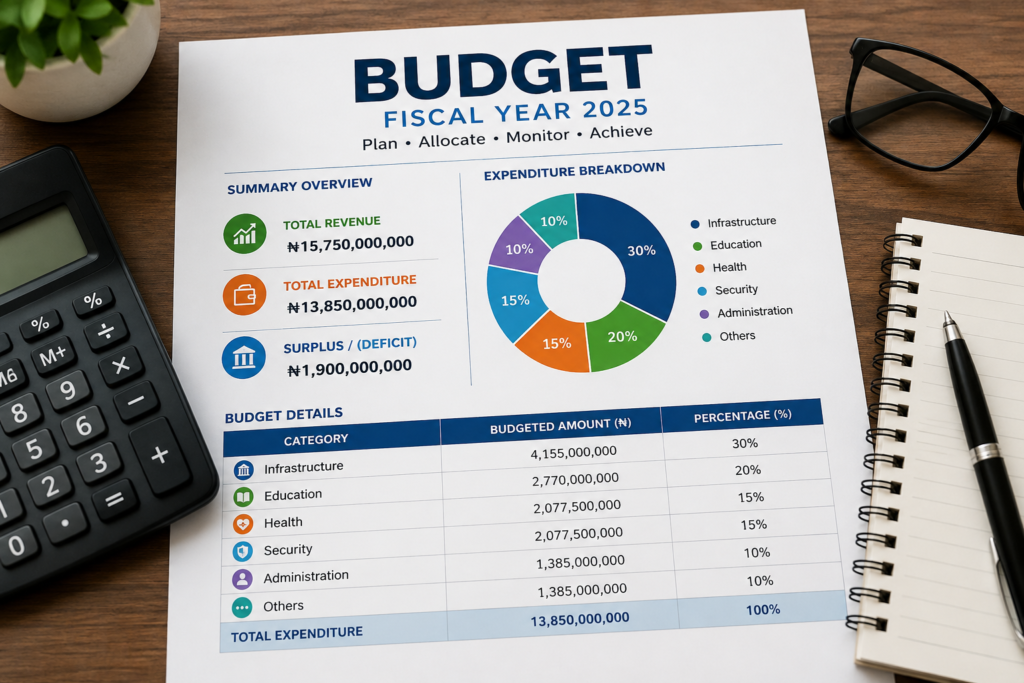
In an era where citizens demand proof of performance, budget transparency has emerged as a cornerstone of credible governance across Africa. For Nigerian state administrations and emerging markets, transparent budgeting is no longer optional — it is the foundation for electoral legitimacy, public trust, and sustainable development.
At LEADGovtOS, we believe winning elections is only the beginning. True success lies in installing governance performance architectures that translate promises into measurable results. Budget transparency sits at the heart of this transformation.
This comprehensive guide explores what budget transparency means in the African context, why it matters ahead of Nigeria’s 2027 elections and beyond, proven techniques for implementation, and how forward-thinking leaders are leveraging data systems to deliver results.
Understanding Budget Transparency in African Politics
Budget transparency refers to the full, timely, and accessible disclosure of government revenue, expenditure, procurement processes, and financial outcomes. It enables citizens, oversight institutions, and stakeholders to track how public resources are allocated and utilized.
In Nigeria, where public trust in governance has faced significant challenges, budget opacity often fuels allegations of mismanagement, leakages, and elite capture. Conversely, states and administrations that embrace transparency gain a powerful competitive advantage — both in elections and in effective service delivery.
Why Budget Transparency Is a Strategic Imperative
1. Rebuilding Public Trust
Nigerian voters are increasingly sophisticated. They reward leaders who demonstrate fiscal responsibility. Transparent budgeting turns abstract promises into verifiable actions.
2. Electoral Advantage
Incumbents and challengers who publish citizen-friendly budget documents, expenditure reports, and performance dashboards stand out. In competitive races, transparency becomes a powerful differentiator.
3. Economic and Development Impact
Transparent budgets attract investment, improve access to development financing, and reduce wasteful spending. Studies across Africa show a direct correlation between fiscal transparency and better human development outcomes.
4. Risk Mitigation
Opacity invites scrutiny, litigation, and reputational damage. Proactive transparency shields administrations from opposition attacks and builds institutional resilience.
5. Post-Election Accountability
For newly elected officials, implementing robust budget transparency systems from day one demonstrates seriousness about governance — a key pillar of LEADGovtOS’s Executive Transition Planning services.
Key Components of Effective Budget Transparency

Successful budget transparency rests on several interconnected pillars:
Open Budget Formulation
- Public participation in budget hearings
- Clear linkage between policy priorities and allocations
- Publication of draft budgets with executive summaries in accessible language
Real-Time Expenditure Tracking
- Online dashboards showing releases vs. actual spending
- Procurement portals with bid awards and supplier details
- Monthly and quarterly financial reports
Citizen-Centric Reporting
- Simplified budget booklets and infographics
- Mobile-friendly budget explorers
- Performance scorecards linking spending to outcomes (e.g., schools built, roads constructed, healthcare facilities equipped)
Independent Oversight Mechanisms
- Collaboration with civil society and media
- Strong internal audit systems
- Integration with anti-corruption agencies
Technology Enablement
This is where LEADGovtOS excels. Our proprietary platforms turn complex financial data into actionable intelligence.
Practical Techniques for Implementing Budget Transparency
1. Establish a Centralized Budget Performance Framework
Create standardized templates for all MDAs (Ministries, Departments, and Agencies) with clear KPIs. LEADGovtOS’s Performance Frameworks help state administrations institutionalize this.
2. Deploy Digital Transparency Tools
- Implement real-time budget tracking dashboards (core feature of LEADGovtOS™)
- Publish open data in machine-readable formats
- Use GIS mapping to show project locations and spending
3. Institutionalize Public Participation
- Regular town hall meetings focused on budget priorities
- Feedback mechanisms for citizens to report project status
- Youth and women-inclusive budget consultations
4. Conduct Regular Audits and Publish Results
- Timely release of audit reports
- Clear explanations for variances between budgeted and actual figures
- Remedial actions taken on audit queries
5. Integrate with Broader Governance Systems
Budget transparency should not operate in isolation. Link it to:
- Policy Implementation Audits
- Executive performance evaluations
- Citizen feedback loops
Case Studies: Budget Transparency in Action
Leading Nigerian States: Several subnational governments have gained national recognition through proactive budget publication and citizen engagement portals. Those that consistently rank high on transparency indices often record better re-election outcomes and investor confidence.
Continental Examples: Countries like South Africa and Rwanda have demonstrated how strong budget transparency frameworks support long-term development planning and public accountability.
LEADGovtOS Client Impact: Administrations using our platforms report improved stakeholder confidence, reduced leakages, and stronger narrative control during election cycles.
Challenges and How to Overcome Them
- Capacity Gaps: Many states lack technical expertise. Solution: Strategic partnerships and training through governance advisory services.
- Political Resistance: Some actors prefer opacity. Solution: Demonstrate electoral and legacy benefits of transparency.
- Data Quality Issues: Inconsistent reporting. Solution: Standardized systems like LEADGovtOS™.
- Low Citizen Engagement: Complex documents. Solution: Simplified, visual reporting.
The LEADGovtOS Approach to Budget Transparency
We don’t just advise — we install systems that work:
- LEADGovtOS™ Platform: Centralized command for financial data, procurement, and performance tracking.
- LEAD Governance Index™: Objective annual assessment tool that incentivizes continuous improvement.
- Governance Advisory Services: Executive transition planning, policy audits, and performance frameworks tailored to state administrations.
- The Election Victory Blueprint™ Integration: Ensure campaign promises are fiscally realistic and trackable.
Our model ensures confidentiality, scalability across 36 states, and measurable governance outcomes.
Best Practices for Sustainable Budget Transparency
- Start early in the administration cycle
- Make data accessible and understandable
- Link spending to visible outcomes
- Maintain consistency across election cycles
- Use technology without compromising security
- Celebrate successes publicly while addressing shortfalls honestly
The Future of Governance in Africa
By 2035, LEADGovtOS envisions a continent where dozens of state administrations operate with world-class governance architectures. Budget transparency will be a defining feature of high-performing governments — driving both electoral success and legacy impact.
Leaders who embrace this now will position themselves as pioneers of Africa’s institutional transformation.
Conclusion: Transparency as a Leadership Superpower
Budget transparency is more than a compliance requirement. It is a powerful tool for building trust, delivering results, and securing political longevity.
For candidates preparing for 2027 and sitting administrations seeking re-election or legacy, investing in robust budget transparency systems is one of the smartest strategic decisions you can make.
Ready to install a governance performance architecture that delivers?
- Request Governance Transition Advisory
- Book a LEADGovtOS™ Platform Demo
- Explore partnership opportunities
Contact us today: @leadgovtos.org or+234 707 609 2561
The future belongs to administrations that don’t just promise change — but prove it through transparent, measurable systems.